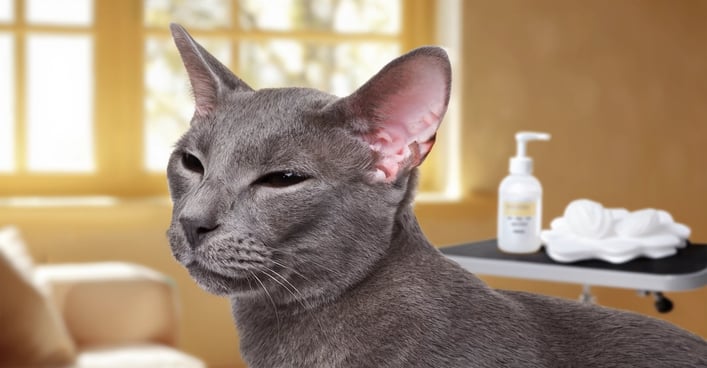
Cat Ear Cleaning: The 2026 Guide to Healthy Ears and Problem Prevention
Master safe cat ear cleaning techniques, recognize early signs of infection, and prevent common ear problems with this comprehensive feline ear care guide.
Share this page
Cat Ear Cleaning: The 2026 Guide to Healthy Ears and Problem Prevention
Healthy ears are a cornerstone of your cat's overall wellbeing, yet ear care is frequently overlooked in routine grooming. Proper inspection, cleaning, and maintenance can prevent painful infections and allow for early intervention. This definitive guide provides everything you need to know about feline ear care.
Understanding Cat Ear Anatomy
External Ear Structure
The Pinna (Ear Flap):
Functions as a sound wave collector
Highly mobile, capable of 180-degree rotation
Typically covered in fur (except in breeds like the Sphynx)
Contains a superficial blood supply, making it prone to hematomas
The Ear Canal:
Features a distinctive L-shape (vertical, then horizontal)
Possesses a natural self-cleaning mechanism
Produces protective wax (cerumen)
Maintains a delicate balance of yeast and bacteria
Warm the ear cleaner to room temperature by holding the bottle in your hands.
Gently wrap your cat in a towel (the "burrito" method) if they are wiggly.
2. The Cleaning Process:
Position Your Cat: Hold them securely on your lap or have a helper assist. Approaching from behind can be less intimidating.
Apply Cleaner: Generously fill the ear canal with the solution. Do not insert the bottle tip deeply.
Massage: Gently massage the base of the ear for 20-30 seconds. You should hear a soft squishing sound as the cleaner breaks up debris.
Let Shake: Release your cat and allow them to shake their head. This brings loosened material to the surface. Use a towel to shield yourself from spray.
Wipe Clean: Use a cotton ball or gauze to wipe out all visible wax and debris from the ear flap and the entrance to the canal. Never probe into the canal.
Reward: Immediately offer a treat and praise to create a positive association.
Repeat: Use a fresh cotton ball and repeat the process on the other ear.
Tips for Success:
Your calm demeanor is contagious; cats sense anxiety.
Be efficient yet gentle.
If your cat becomes overly stressed, stop and try again later.
Introducing this routine during kittenhood builds lifelong tolerance.
Common Feline Ear Problems
Ear Infections (Otitis)
Types:
Otitis Externa: Infection of the outer ear canal (most common).
Otitis Media: Infection of the middle ear.
Otitis Interna: Infection of the inner ear (can affect balance).
Primary Causes:
Bacterial or yeast overgrowth
Ear mite infestation
Underlying allergies (food or environmental)
Foreign bodies
Polyps or tumors
Clinical Signs:
Redness, swelling, and warmth
Discharge (yellow, brown, or bloody)
Strong, foul odor
Vigorous head shaking and scratching
Pain upon touch, crying
Head tilt or loss of balance (indicative of middle/inner ear involvement)
Treatment Protocol:
Veterinary Exam & Cytology: A swab is examined under a microscope to identify the cause (bacteria, yeast, mites).
Prescription Medication: Targeted ear drops or ointments.
Oral Medications: Antibiotics or anti-inflammatories for severe cases.
Address Root Cause: Managing allergies or removing polyps.
Estimated Cost (2026): $150 - $350 for diagnosis and initial treatment.
Ear Mites (Otodectes cynotis)
Overview: Microscopic, highly contagious parasites common in kittens and multi-cat environments.
Maine Coons & Other Long-haired Breeds: Ear tufts can trap debris and reduce airflow.
Proactive Prevention Strategies
Consistent Routine: Establish and maintain a regular inspection and cleaning schedule tailored to your cat's needs.
Dry Ears Thoroughly: After baths or swimming, gently dry the ear entrance with a cotton ball.
Environmental Control:
Use year-round flea prevention.
Consider air purifiers for cats with environmental allergies.
Use low-dust, hypoallergenic litter.
Multi-Cat Households: Isolate and treat any cat with mites immediately, and wash all shared bedding.
When to Seek Veterinary Care
Seek Immediate Emergency Care For:
Sudden, severe head tilt or loss of balance
Circling, falling, or rolling
Incoordination combined with vomiting
Obvious, acute pain (crying, hiding)
Bloody discharge
Schedule a Non-Emergency Visit Within 1-2 Days For:
Scratching or head shaking that persists over 24 hours
Any discharge or odor
Redness, swelling, or heat
Your cat seeming generally unwell with ear symptoms
For Chronic/Recurrent Issues:
A vet can investigate underlying causes like allergies, hormonal issues, or anatomical problems that require a long-term management plan.
Cost Considerations for 2026
At-Home Maintenance (Annual):
Ear Cleaner: $10 - $25
Supplies (cotton balls, treats): $10 - $20
Total Estimated Cost: $20 - $45
Veterinary Treatment (Estimated):
Standard Ear Infection: $150 - $350 (exam, cytology, medication)
Ear Mites: $75 - $200
Severe/Chronic Cases: Sedated deep clean ($300 - $600), advanced diagnostics ($200+), or surgery for polyps ($1,500 - $3,500).
Investing in prevention is significantly more economical than treating advanced disease.
Home Remedies: A Word of Caution
While some natural options exist, veterinary consultation is paramount before use.
Potentially Safe (with vet approval):
Diluted Apple Cider Vinegar Rinse: 1 part vinegar to 2-3 parts water. Never use on inflamed or broken skin.
Pure Coconut Oil: A tiny amount can help soften wax. Has mild antimicrobial properties.
Unsafe & Must Be Avoided:
Hydrogen peroxide, rubbing alcohol, tea tree oil (or any essential oils), garlic oil, and homemade mixtures of unknown concentration.
Conclusion
Proactive ear care is a simple yet vital component of responsible cat ownership. By integrating weekly inspections and appropriate cleaning into your routine, you safeguard your cat from discomfort and complex health issues.
The cornerstone of safety is using the right tools: veterinary-formulated cleaners and soft wipes, while strictly avoiding Q-tips and harsh chemicals. Familiarize yourself with what is normal for your cat's ears, enabling you to detect subtle changes early.
Remember, most ear problems are symptoms, not the core disease. Persistent issues like odor, discharge, or behavioral changes are your cue to partner with your veterinarian. With consistent care and prompt professional attention, you can ensure your feline friend enjoys a lifetime of healthy, comfortable hearing.
Get expert advice about cat care, behavior, nutrition, grooming, and training. Ask our AI cat care expert anything about your cat and receive professional guidance.