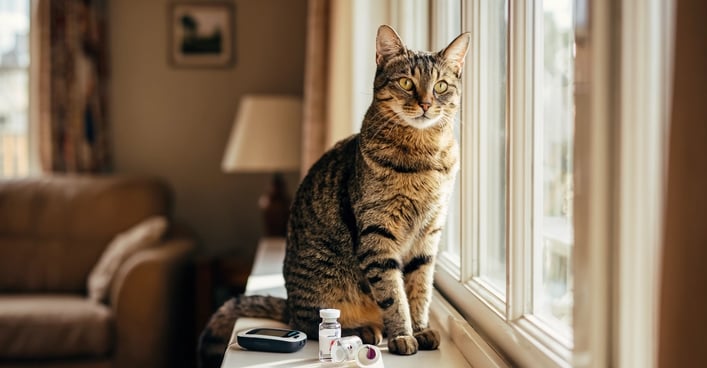
Cat Diabetes (Feline Diabetes Mellitus): A Complete Guide to Symptoms, Treatment & Costs for 2026
A comprehensive guide to understanding, diagnosing, and managing feline diabetes. Learn about symptoms, treatment options, costs, and how to help your cat live a long, healthy life.
Share this page
Cat Diabetes (Feline Diabetes Mellitus): A Complete Guide to Symptoms, Treatment & Costs for 2026
Feline diabetes mellitus is a prevalent endocrine disorder, especially in cats over eight years old. This chronic condition disrupts the body's ability to regulate blood sugar, leading to serious health complications without proper management. For cat owners, understanding the symptoms, treatment pathways, and associated costs is crucial for providing effective care.
What Is Feline Diabetes Mellitus?
Feline diabetes is a metabolic disorder where the body fails to produce or effectively utilize insulin. This hormone, created by the pancreas, is essential for transporting glucose (sugar) into cells for energy. When insulin function is impaired, glucose accumulates in the bloodstream, starving the body's cells of fuel.
Types of Feline Diabetes
Type I Diabetes (Insulin-Dependent)
The pancreas produces little to no insulin.
Requires lifelong insulin injections.
Less common in cats than in dogs.
Typically results from autoimmune destruction of pancreatic beta cells.
Hypoglycemia: Caused by insulin overdose; symptoms include weakness and seizures. Treat with corn syrup on gums and seek emergency care.
Diabetic Neuropathy: Nerve damage causing hind leg weakness and a plantigrade stance.
Chronic Issues: Increased risk of kidney disease, pancreatitis, infections, and hepatic lipidosis.
Cost Breakdown of Feline Diabetes Treatment
Managing diabetes is an ongoing financial commitment. Below is a detailed cost analysis for 2026.
Initial Diagnostic Costs
Service
Cost Range
Physical Examination
$50 - $100
Blood Glucose & Fructosamine Tests
$100 - $180
Complete Blood Count (CBC)
$50 - $100
Serum Biochemistry Profile
$100 - $200
Urinalysis
$30 - $60
Thyroid Testing
$80 - $150
Total Initial Diagnostics
$410 - $790
Ongoing Monthly Treatment Costs
Item
Cost Range
Insulin (monthly average)
$50 - $150
Insulin Syringes
$15 - $30
Prescription Diabetic Food
$40 - $80
Test Strips (Home Monitoring)
$30 - $50
Total Monthly
$135 - $310
Annual Veterinary Follow-Up Costs
Service (Every 3-4 Months)
Cost Range
Recheck Examination
$50 - $100
Blood Glucose Curve
$150 - $300
Urinalysis
$30 - $60
Annual Follow-Up Total
$690 - $1,840
Annual Total Cost Summary
Period
Cost Range
First Year (Diagnostics + Treatment)
$2,500 - $6,000
Subsequent Years (Ongoing Care)
$2,300 - $5,600
Recommended Emergency Fund
$1,000 - $2,000
Cost-Saving Strategies
Home Glucose Monitoring: Reduces frequency of veterinary glucose curves.
Discuss Generic Insulin: Ask your vet about more affordable options.
Bulk Purchasing: Buy insulin syringes and test strips in larger quantities.
Pet Insurance: Consider a policy before any diagnosis for future coverage.
Charitable Aid: Some organizations offer financial assistance for pet medical care.
Can Feline Diabetes Be Reversed?
Yes, remission is possible. Approximately 20-30% of diabetic cats can achieve normal blood glucose levels without insulin, especially with:
Early diagnosis and strict treatment adherence.
High-protein, low-carb diet and achieving ideal body weight.
Excellent glucose control from the start.
Important: Remission can be temporary. Never stop insulin without veterinary guidance, and continue dietary management for life.
Prevention of Feline Diabetes
Reduce your cat's risk with proactive care:
Maintain a Healthy Weight: Monitor body condition, use portion control and puzzle feeders.
Provide Proper Nutrition: Prioritize high-protein, low-carbohydrate diets; limit dry food.
Schedule Regular Veterinary Care: Annual exams (biannual for seniors) for early detection.
Ensure Environmental Enrichment: Encourage activity with climbing structures and interactive play.
Living with a Diabetic Cat
With commitment, diabetic cats can enjoy a high quality of life. Establish a consistent daily routine for feeding and insulin. Plan carefully for travel, using trained pet sitters or veterinary boarding. Most owners find the management process becomes a rewarding routine that strengthens their bond with their cat.
When to Seek Emergency Care
Contact your veterinarian immediately if your diabetic cat shows:
Lethargy, collapse, or seizures.
Vomiting, diarrhea, or refusal to eat for >24 hours.
Difficulty breathing.
Signs of hypoglycemia (weakness, disorientation, trembling).
Sweet or fruity breath odor (sign of DKA).
Conclusion
Feline diabetes is a serious but highly manageable condition. With early detection, a dedicated treatment plan, and a strong partnership with your veterinarian, diabetic cats can live happy, comfortable lives for many years. While the costs are significant, the reward of your cat's health and companionship is invaluable. Stay vigilant, adhere to treatment schedules, and never hesitate to ask your vet questions. With proper care, diabetes does not have to define your cat's life.
This article is for informational purposes only and is not a substitute for professional veterinary advice. If you suspect your cat has diabetes, schedule an appointment with your veterinarian immediately.
Get expert advice about cat care, behavior, nutrition, grooming, and training. Ask our AI cat care expert anything about your cat and receive professional guidance.