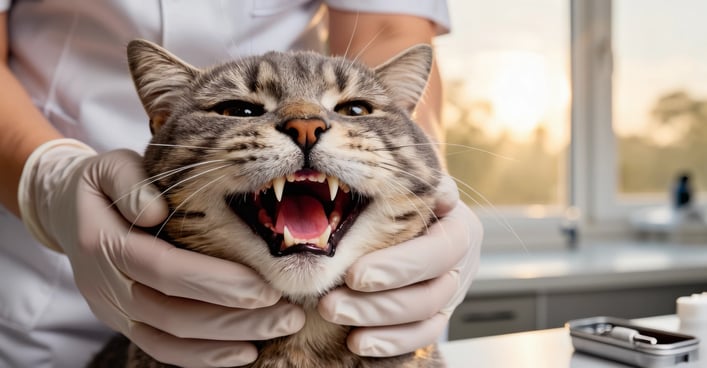
Cat Dental Care: Your Complete Guide to Feline Oral Health in 2026
Learn how to prevent painful dental disease in cats. Our 2026 guide covers daily brushing, professional cleanings, and the best products for a healthy feline smile.
Share this page
Cat Dental Care: Your Complete Guide to Feline Oral Health in 2026
Meta Description: Protect your cat from painful dental disease. This comprehensive 2026 guide covers effective brushing techniques, professional cleaning procedures, and the latest preventive strategies for optimal feline oral health.
Introduction
Cat dental care is a critical yet frequently neglected component of feline wellness. By age three, over 70% of cats develop periodontal disease. Poor oral hygiene leads to more than just bad breath and tooth loss; it allows harmful bacteria to enter the bloodstream, potentially damaging the heart, kidneys, and liver. Fortunately, most dental disease is preventable with consistent home care and professional veterinary support.
This definitive guide provides everything you need to know to safeguard your cat's oral health. From mastering daily brushing to recognizing early warning signs and understanding professional procedures, you'll gain the knowledge to make a lasting impact. Your commitment can extend your cat's life, prevent discomfort, and avoid costly treatments.
Days 1-3: Finger Exploration: Dip your finger in tuna water or low-sodium broth. Let your cat lick it, then gently rub your finger along their gums. Stop if they resist and always reward.
Days 4-7: Gum Massage: Wrap your finger with a piece of gauze, dip it in broth, and gently massage teeth and gums, focusing on outer surfaces.
Week 2: Introducing Toothpaste
Days 8-10: Taste Test: Place a pea-sized amount of cat toothpaste on your finger. Let your cat lick it off to associate the taste with a positive experience.
Days 11-14: Paste with Massage: Apply toothpaste to the gauze-covered finger and gently rub teeth. Aim for 30-second sessions.
Week 3: Introducing the Brush
Days 15-17: Brush Exploration: Let your cat sniff the dry brush, then apply toothpaste and let them lick it off.
Days 18-21: First Brushing Attempts: Gently lift the lip and brush 2-3 teeth. Keep sessions very short and positive.
Week 4 & Beyond: Establishing the Routine
Goal: Brush all outer tooth surfaces for 30-60 seconds daily.
Technique: Position your cat comfortably. Hold the brush at a 45-degree angle to the gum line and use small circular motions. The tongue naturally cleans inner surfaces, so focus on the outsides.
Tips for Success & Troubleshooting
Best Practices:
Timing: Brush when your cat is calm, perhaps after a play session.
Consistency: Perform the routine at the same time each day.
Positive Reinforcement: Use enthusiastic praise and immediate treats.
Patience: Progress at your cat's pace; some may need months to fully accept brushing.
Common Problems & Solutions:
Problem
Solution
Cat Resists
Return to the previous successful step for a few days.
Biting
Use a finger brush for more control and shorten sessions.
Running Away
Try a different time of day or location; increase treat value.
Overall Difficulty
Focus on one side of the mouth per session.
Alternative Home Care Options (If Brushing Isn't Possible)
1. Dental Treats & Diets:
Look for products approved by the Veterinary Oral Health Council (VOHC).
These work through mechanical abrasion or enzymatic action.
A less effective but useful alternative to brushing for removing surface plaque.
Professional Dental Care: The Veterinary Role
What a Professional Dental Cleaning Involves
Essential Pre-Anesthetic Steps:
Comprehensive Exam: Physical assessment of your cat's overall health.
Diagnostic Workup: Bloodwork (CBC, chemistry panel) and possibly urinalysis or chest X-rays to ensure safe anesthesia.
The Anesthetized Procedure:
Oral Exam & Charting: Every tooth is examined, probed for pockets, and charted. Dental X-rays are crucial to evaluate the 60% of the tooth below the gum line.
Ultrasonic Scaling: Removes tartar (calculus) from both above and below the gum line.
Polishing: Smooths enamel micro-scratches to slow future plaque adhesion.
Periodontal Therapy: May include root planing or application of antibiotic gels.
Extractions: Surgical removal of diseased or resorptive teeth as necessary.
Fluoride Treatment: Strengthens enamel and reduces sensitivity.
Signs Your Cat Needs Professional Dental Care
Schedule a veterinary visit if you notice:
Persistent bad breath (halitosis)
Red, swollen, or bleeding gums
Visible yellow or brown tartar buildup
Difficulty eating, chewing on one side, or dropping food
Excessive drooling or pawing at the mouth
Weight loss or changes in appetite
Loose, broken, or missing teeth
Facial swelling
Recommended Schedule: Annual oral exams with professional cleanings every 1-3 years, depending on individual risk and home care.
Understanding the Cost of Professional Dental Care (2026 Estimates)
Service
Cost Range
Examination
$60 - $120
Pre-Anesthetic Bloodwork
$120 - $250
Anesthesia & Monitoring
$150 - $350
Dental Cleaning (Prophylaxis)
$250 - $500
Full-Mouth Dental X-Rays
$150 - $350
Tooth Extraction (per tooth)
$75 - $200
Medications (Pain/Antibiotics)
$40 - $120
Total (Routine Cleaning)
$600 - $1,200
Total (With Multiple Extractions)
$1,000 - $2,500+
Costs vary significantly by geographic location, clinic type, and case complexity.
Prevention: The Cornerstone of Dental Health
Daily Prevention Checklist
Brush teeth daily (minimum every other day).
Offer VOHC-approved dental treats or chews.
Consider a dental-specific diet if recommended by your vet.
Perform weekly visual mouth checks for early signs of trouble.
Schedule and maintain annual veterinary wellness exams.
Diet: Exclusive soft food diets can promote plaque.
Genetics & Immune Function.
Lack of Home Care.
Protective Factors:
Consistent daily tooth brushing.
Use of prescription dental diets.
Regular professional veterinary care.
Good overall health and genetics.
Recognizing Dental Emergencies
Seek Immediate Veterinary Care For:
Sudden facial swelling
Significant, uncontrolled bleeding from the mouth
Difficulty breathing or swallowing
Signs of severe pain (vocalizing, hiding, aggression)
Suspected jaw fracture or oral trauma
Foreign object lodged in the mouth or throat
Cost Comparison: Prevention vs. Treatment
Annual Preventive Investment
Item
Estimated Annual Cost
Toothbrush & Toothpaste
$20 - $30
Dental Treats
$60 - $120
Annual Veterinary Oral Exam
$60 - $120
Total Annual Prevention
$140 - $270
Potential Treatment Costs (When Disease Develops)
Procedure
Estimated Cost
Professional Cleaning & Extractions
$1,000 - $2,500+
Treatment for Secondary Organ Damage
$1,500 - $5,000+
Total Treatment Potential
$2,500 - $7,500+
The Bottom Line: Consistent, low-cost prevention saves significant money and, more importantly, spares your cat from pain and systemic illness.
Advanced Dental Topics
The Critical Role of Dental X-Rays
Dental X-rays are non-negotiable for a complete oral assessment. They are essential to:
Diagnose hidden tooth resorption (FORLs).
Evaluate the severity of bone loss from periodontal disease.
Identify root fractures, abscesses, and unerupted teeth.
Plan precise extractions or other procedures.
Specialized Procedures
Root Canal Therapy: A specialist can sometimes save a strategic tooth (like a canine) as an alternative to extraction.
Crown Placement: Used to protect a fractured tooth, though less common in cats than dogs.
Senior Cat Dental Care: Special Considerations
Caring for older cats requires extra attention:
Anesthesia Safety: A thorough pre-anesthetic workup is paramount.
Comorbidities: They often have concurrent conditions (kidney, heart disease) that must be managed.
Healing: Recovery from extractions may be slower.
Priority: Focus on pain relief and maintaining the ability to eat comfortably.
Conclusion
Investing in your cat's dental care is one of the most profound commitments you can make to their long-term health and quality of life. While the statistic that most cats develop dental disease is sobering, the power of prevention is firmly in your hands.
Establishing a daily brushing routine, supplemented with veterinary-recommended products and regular professional care, forms an impenetrable shield against pain, tooth loss, and systemic illness. This commitment not only adds healthy years to your cat's life but also deepens your bond through consistent, caring interaction.
Remember, your veterinarian is your essential partner. They provide the professional cleanings, diagnostic imaging, and treatments necessary to support your home efforts. Whether you're starting fresh with a kitten or managing an older cat's needs, it's never too early or too late to prioritize oral health.
Your cat relies on you for this vital aspect of their care. The effort you put in today ensures a future of comfortable meals, happy purrs, and vibrant health for your feline companion.
Get expert advice about cat care, behavior, nutrition, grooming, and training. Ask our AI cat care expert anything about your cat and receive professional guidance.