Back to Articles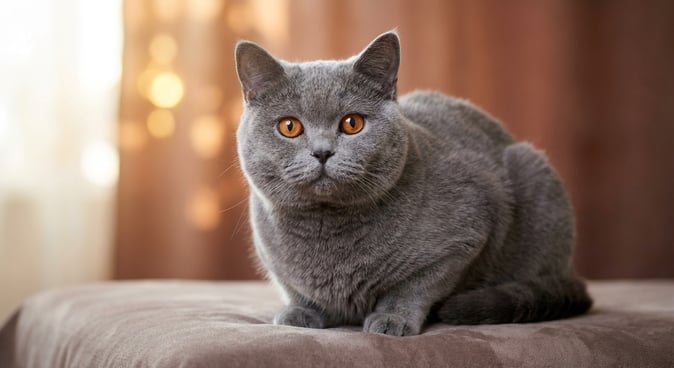
5 min read
British Shorthair: The Teddy Bear of Cat Breeds
From Roman legion mouser to Victorian show-stealer, the British Shorthair’s plush coat and teddy-bear charm were forged in Britain’s cold alleys and refined in aristocratic drawing rooms—discover how this sturdy companion survived war and near extinction to become one of the world’s most beloved cats.
With their round faces, copper-button eyes, and plush, velvety coats, British Shorthairs look like the teddy bears of the feline world—except these teddy bears purr. Hailing from the United Kingdom, this centuries-old breed pairs a powerful, cobby build with an endearingly calm, independent spirit that has won hearts from London living rooms to Hollywood sets.
History & Origin
The British Shorthair’s story begins in the alleys of Rome. When Roman legions invaded Britain in 43 AD, they brought shorthaired cats to protect grain stores from rodents. Over centuries, these working cats adapted to the chilly British climate, developing dense, weather-proof coats and stocky bodies. By the Victorian era, selective breeding refined the alley cat into a show-ring star, debuting at London’s Crystal Palace cat show in 1871. World Wars nearly wiped out the breed, but dedicated fanciers crossed survivors with Persians, Russian Blues, and other native shorthairs, cementing the modern British Shorthair’s iconic look. Today, the Cat Fanciers’ Association ranks them among the world’s top ten most popular breeds.
Physical Characteristics
Imagine a living plush toy: a massive, rounded head set on a short, thick neck; full cheeks that give a perpetual smile; and large, round eyes that gleam like polished pennies. The body is cobby—broad-chested, level-backed, and heavily boned—supported by strong, thick-set legs and rounded paws. Adult males weigh 5–8 kg (11–18 lb), females 4–6 kg (9–13 lb), and measure 46–56 cm from nose to tail tip. The crowning glory is the coat: short, dense, and firm, with a crisp pile that stands off the body like a luxury carpet. While powder-blue (grey) remains the classic image, the palette actually includes white, black, cream, red, silver, golden, every tabby pattern, tortoiseshell, bicolor, and even colorpoint. Eye color harmonizes with coat: copper or gold for most blues and browns, vivid blue for colorpoints, and emerald green for silvers.
From Roman mouser to modern sofa companion, the British Shorthair has refined the art of easy-going elegance. Their plush coats, copper-gold eyes, and steadfast temperaments make every day feel a little more comforting—like living with a purring pillow that occasionally head-butts you just to say, “I’m still here, and you’re loved.”
Tags
British ShorthairUK cat breedscalm catsfamily catslow-shedding short-haired catsquiet cat breeds