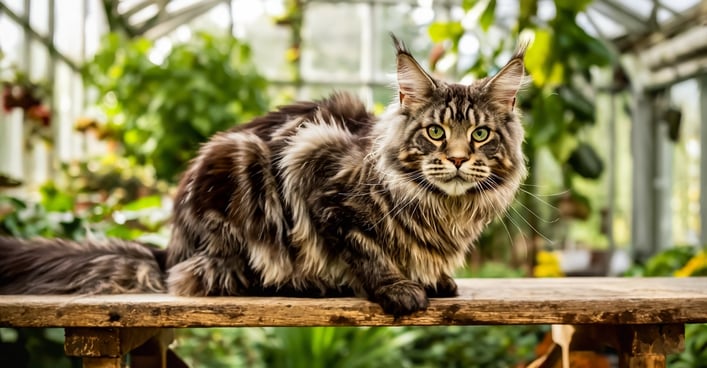
Biggest Domestic Cat Breeds: Giants of the Cat World (2026)
Discover the largest domestic cat breeds, from the gentle Maine Coon to the exotic Savannah. Learn about their care, costs, and if a giant feline is right for your home.
Share this page
Biggest Domestic Cat Breeds: Giants of the Cat World (2026)
If you're captivated by the majesty of big cats but desire a domestic companion, several remarkable breeds offer impressive size paired with gentle, loving personalities. These gentle giants combine a wild, magnificent appearance with a tame, affectionate temperament, creating unforgettable feline companions for those with the space and heart to welcome them.
What Makes a Cat a "Giant"?
Size Classifications
Giant Breed Standards:
Weight: Males typically exceed 15 pounds, with some breeds reaching 20-25+ pounds.
Length: Nose to tail can measure 3 feet or more.
Height: 10 to 16 inches at the shoulder is common.
Build: Substantial bone structure and muscular frame.
Size Comparison:
Average Domestic Cat: 8-10 pounds
Large Breeds: 12-15 pounds
Giant Breeds: 15-25+ pounds
Top Giant Cat Breeds of 2026
Tags
big catslarge cat breedsmaine coonsavannah catragdoll catgiant pets
1. Maine Coon: The Gentle Giant
The Largest Officially Recognized Domestic Breed
Size:
Males: 13-18 pounds (exceptional individuals can exceed 25 pounds)
Females: 8-12 pounds
Length: Up to 40 inches
Height: 10-16 inches at the shoulder
Physical Characteristics:
Rectangular, muscular body
Long, shaggy, water-resistant coat
Prominent lynx-like ear tufts
Large, expressive eyes
Long, bushy tail
Substantial bone structure
Personality:
Known as "gentle giants"
Exhibits dog-like loyalty and intelligence
Playful and curious well into old age
Excellent with children and families
Highly trainable
History & Origin:
Originated in Maine, USA
Official state cat of Maine
One of the oldest natural breeds in North America
Folklore suggests descent from long-haired cats brought by Viking ships
Average Price: $800 - $2,500
Our Rating: 10/10 for ideal combination of size, temperament, and family compatibility.
2. Savannah Cat: The Exotic Athlete
The Tallest Domestic Breed
Size:
F1 Generation: 17-25 pounds (can reach up to 30)
Later Generations (F4+): 12-20 pounds
Height: 14-17 inches at the shoulder
Notable for extremely long, slender legs
Physical Characteristics:
Striking serval-like appearance
Long neck and legs
Large, upright ears
Distinctive spotted or marbled coat
Hooded, expressive eyes
Athletic, lean build
Personality:
Extremely active and energetic
Known for dog-like behaviors (can learn to walk on a leash)
Fascinated by water
Highly intelligent and needs constant mental stimulation
Not a typical lap cat
Generations Explained:
F1: 50% Serval (largest and most exotic)
F2: 25% Serval
F3: 12.5% Serval
F4+: Considered domestic; more manageable size
Important Legal Note:
F1-F3 generations are often regulated or prohibited as exotic pets.
Ownership laws vary drastically by state and country.
Always check local regulations thoroughly before considering a Savannah.
Average Price: $1,000 - $20,000+ (F1 kittens command the highest prices)
3. Norwegian Forest Cat: The Viking Companion
The Majestic Forest Dweller
Size:
Males: 13-20 pounds
Females: 8-15 pounds
Length: Up to 36 inches
Powerful, sturdy build built for cold climates
Physical Characteristics:
Long, glossy, double-layered coat
Distinctive triangular head shape
Tufted ears and toes
Extremely bushy tail
Strong, muscular body
Water-resistant topcoat
Personality:
Independent yet sweet-natured
Excellent and fearless climbers
Gentle and adaptable with families
Intelligent and moderately active
Enjoys high perches
History & Origin:
Natural breed originating in Norway
Believed to have traveled with Vikings as ship cats
Population nearly decimated during WWII, later revived
Features prominently in Norse fairy tales
Average Price: $800 - $2,500
4. Ragdoll: The Affectionate Flop
The Docile Giant
Size:
Males: 15-20 pounds
Females: 10-15 pounds
Length: Up to 36 inches
Heavy bone structure with a soft, plush appearance
Physical Characteristics:
Semi-long, silky, non-matting coat
Striking blue eyes
Color-point pattern (darker face, ears, tail, and paws)
Substantial, muscular body
Sweet, expressive face
Personality:
Famously docile and relaxed
Known for going completely limp when picked up (hence the name)
Extremely affectionate and people-oriented
Typically quiet and gentle
Strongly recommended as indoor-only cats
Origin:
Developed in California in the 1960s by breeder Ann Baker.
Selective breeding for gentle temperament and striking looks.
Average Price: $800 - $3,500
5. Siberian: The Hypoallergenic Powerhouse
The Russian Forest Giant
Size:
Males: 15-20 pounds
Females: 10-15 pounds
Stocky, powerful, and barrel-chested build
Physical Characteristics:
Luxurious triple-layered coat for extreme cold
Full ruff around the neck
Bushy tail
Large, round, expressive eyes
Strong, sturdy legs
Personality:
Devoted and dog-like in loyalty
Playful and agile despite size
Affectionate with family members
Good with children and other pets
Often cited as being hypoallergenic due to lower levels of the Fel d 1 protein (though individual reactions vary).
History & Origin:
Russia's national cat, with a history spanning over 1,000 years.
A natural breed that evolved in the Siberian forests.
Average Price: $1,000 - $2,000
6. Chausie: The Jungle Sprinter
The Athletic Hybrid
Size:
Males: 15-25 pounds
Females: 12-18 pounds
Tall, elongated, and exceptionally athletic build
Built for speed and jumping
Physical Characteristics:
Hybrid descendant of the Jungle Cat (Felis chaus)
Short coat with a distinctive "ticked" tabby pattern
Long, lean body
Very large, tall ears
Deep chest and long legs
Personality:
Extremely high-energy and active
Highly intelligent and curious
Requires extensive physical and mental stimulation
Forms strong bonds but is not typically a lap cat
Can be taught tricks and enjoys interactive games
Origin:
A relatively new hybrid breed.
Created by crossing domestic cats with the Jungle Cat.
Potential owners must be prepared for its significant exercise needs.
Average Price: $1,000 - $2,500
7. Turkish Van: The Swimming Cat
The Aquatic Athlete
Size:
Males: 16-20 pounds
Females: 12-16 pounds
Solid, muscular, and substantial build
Physical Characteristics:
Semi-long, cashmere-like, water-resistant coat
Classic "Van" pattern: colored markings restricted primarily to the head and tail on a white body.
Eyes can be amber, blue, or odd-eyed (one of each).
Strong, broad chest and shoulders.
Personality:
Famous for loving water—will play in sinks, pools, or bathtubs.
Athletic, intelligent, and active.
Can be independent but also affectionate on its own terms.
Known for being quite vocal with a unique chirp.
History & Origin:
An ancient natural breed from the Lake Van region of Turkey.
Considered a national treasure in its homeland.
Genetic adaptation likely led to its unique love of swimming.
Average Price: $600 - $1,500
8. British Shorthair: The Cobby Teddy Bear
The Plush Powerhouse
Size:
Males: 12-18 pounds
Females: 9-15 pounds
Cobby build: compact, dense, and heavy for its size, not tall.
Physical Characteristics:
Extremely dense, plush, "crisp" coat (the original inspiration for the Cheshire Cat)
Round face with full, prominent cheeks
Large, round copper or gold eyes
Stocky, powerful body with a broad chest
Thick, medium-length tail
Personality:
Calm, easygoing, and undemanding.
Independent but enjoys quiet companionship.
Generally quiet and not overly vocal.
Adapts well to family life but isn't overly clingy.
Lower energy level compared to other giants.
History & Origin:
One of the oldest English cat breeds.
Believed descended from cats brought to Britain by Roman invaders.
Nearly lost during WWII, revived through careful breeding, sometimes with Persian crosses.
Average Price: $800 - $2,500
Living with a Giant Cat: Practical Considerations
Space & Environmental Requirements
Vertical Space is Crucial:
Invest in tall, extremely sturdy cat trees rated for 20+ pounds.
Consider wall-mounted shelves and perches to create a "cat highway."
Ensure all climbing structures are securely anchored.
Adequate Floor Space:
Room for playful running and chasing.
Extra-large litter boxes are a must (many owners use concrete mixing tubs).
Multiple feeding/water stations can prevent resource guarding.
Provide several robust scratching posts.
Essential Equipment for Giants
Equipment
Giant-Cat Specification
Litter Box
Extra-large, high-sided, easy entry. May need multiple.
Carrier
Large dog-sized, hard-sided, airline-approved if needed.
Large, orthopedic beds are beneficial for joint health.
Bowls
Wide, shallow dishes to avoid whisker fatigue.
Feeding & Nutrition
Key Nutritional Principles:
High-Quality Protein: Essential for maintaining muscle mass.
Portion Control: Critical, as giant breeds are prone to obesity, which exacerbates joint issues.
Life-Stage Appropriate: Feed kitten food longer (12-18 months) to support slow growth.
Joint Supplements: Glucosamine and chondroitin can be beneficial, especially for seniors.
Always consult your veterinarian to determine the ideal diet and portion size for your individual cat.
Health Considerations for Giant Breeds
Larger cats can be predisposed to certain health conditions. Responsible breeding and proactive care are key.
Common Health Issues:
Hip Dysplasia: A malformation of the hip joint. Weight management is crucial. Ask breeders about screening.
Hypertrophic Cardiomyopathy (HCM): A genetic heart disease common in many large breeds (especially Maine Coons and Ragdolls). Reputable breeders screen their breeding cats.
Joint Problems & Arthritis: More common as they age. Provide soft bedding, ramps, and consider joint supplements.
Obesity: A major risk factor for all other health problems. Monitor weight closely.
Preventive Care:
Choose a breeder who performs genetic and health screenings.
Schedule regular veterinary check-ups.
Maintain a healthy weight through diet and exercise.
Be observant for any changes in mobility or breathing.
Cost Breakdown: Owning a Giant Cat
Initial Investment
Breed
Average Kitten Price (From Reputable Breeder)
Maine Coon
$800 - $2,500
Savannah
$1,000 - $20,000+
Norwegian Forest Cat
$800 - $2,500
Ragdoll
$800 - $3,500
Siberian
$1,000 - $2,000
Chausie
$1,000 - $2,500
Turkish Van
$600 - $1,500
British Shorthair
$800 - $2,500
Note: Adoption fees for large-breed cats in shelters/rescues are significantly lower ($50-$300).
Annual Ongoing Costs (Estimated)
Costs are higher than for an average-sized cat.
High-Quality Food: $600 - $1,000+
Routine Veterinary Care: $300 - $800+
Supplies (Litter, Toys, etc.): $200 - $400
Grooming (Professional for longhairs): $100 - $300
Pet Insurance: $300 - $600
Estimated Total Annual Cost: $1,500 - $3,000+
Is a Giant Cat Breed Right for You?
You Might Be a Perfect Fit If You:
Have a spacious home (not a small apartment).
Can budget for higher food, veterinary, and supply costs.
Desire an interactive, often dog-like feline personality.
Have time for regular grooming (for long-haired breeds).
Don't mind a 15+ pound cat claiming your lap.
Are prepared for a 12-15+ year commitment.
You Should Reconsider If You:
Live in a very small space with little room to play.
Have a tight budget for pet care.
Prefer a low-energy, sedentary cat.
Have physical limitations that make lifting a heavy cat difficult.
Travel frequently without a reliable pet-sitter familiar with large cats.
Conclusion & Final Recommendations
Giant cat breeds offer a unique and rewarding companionship, blending majestic presence with deeply affectionate natures. Their care requires more space, resources, and knowledge than a typical house cat, but the return in loyalty and personality is immense.
Our 2026 Breed Recommendations:
Best Overall Giant:Maine Coon - Unbeatable combination of size, gentle temperament, and family-friendliness.
Most Impressive & Exotic:Savannah (F4+) - For experienced owners seeking a truly unique, athletic companion (check laws first!).
Best for Families & First-Time Giant Owners:Ragdoll - Unparalleled docility and affection.
Best Low-Maintenance Personality:British Shorthair - Calm, easygoing, and less demanding.
Most Unique History & Personality:Norwegian Forest Cat - Independent yet sweet, with a legendary background.
Key Steps Before Bringing Home a Giant:
Research Extensively: Understand your chosen breed's specific needs and health risks.
Secure Your Space: "Giant-proof" your home with appropriate furniture and supplies.
Budget Realistically: Account for higher lifetime costs.
Source Responsibly: Choose a reputable breeder who prioritizes health and temperament, or consider adopting—large breed mixes often end up in shelters needing homes.
Prepare for Commitment: These magnificent felines can be a central part of your life for 15 years or more.
With proper preparation, a giant cat can become the most memorable and loving companion you'll ever have.
cat care guide
hypoallergenic cats
Cat's Doctor
Get AI-powered advice about your cat's health and care. Enter your cat's information and start a conversation with our veterinary assistant.
Get expert advice about cat care, behavior, nutrition, grooming, and training. Ask our AI cat care expert anything about your cat and receive professional guidance.