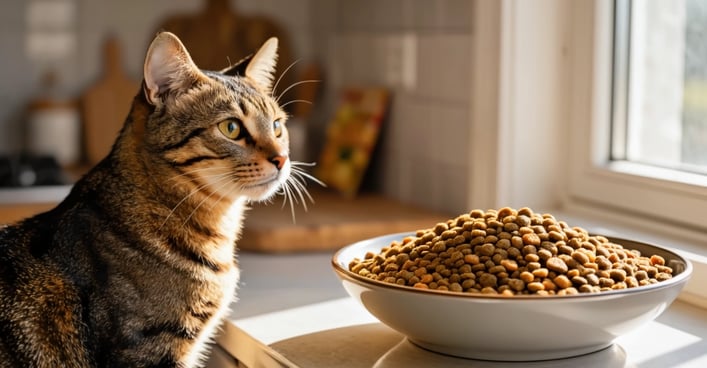
Best Dry Cat Food: A 2026 Guide to Nutritious Kibble for Your Feline
Discover the best dry cat foods for 2026, from premium to budget options. Learn how to decode labels and choose kibble that supports your cat's health and vitality.
Share this page
Best Dry Cat Food: A 2026 Guide to Nutritious Kibble for Your Feline
Navigating the dry cat food aisle can be confusing. This definitive guide for 2026 cuts through marketing claims to help you select high-quality kibble that delivers genuine nutritional benefits for your cat.
Understanding Dry Cat Food: Pros, Cons, and Best Uses
Key Advantages of Dry Food
Convenience & Storage: Easy to serve and store; resistant to spoilage.
Cost-Effective: Typically more affordable per serving than wet food.
Dental Benefits: The crunchy texture can help reduce tartar buildup.
Feeding Flexibility: Suitable for free-feeding healthy-weight cats or use in puzzle toys.
Variety: Available in numerous formulas for specific life stages and needs.
Potential Drawbacks
Low Moisture: Contains only 6-10% water, unlike the 70-80% in wet food, which can impact hydration.
Higher Carbohydrates: Often needed for kibble structure, which may not align with a cat's natural carnivorous diet.
Palatability: Some cats find it less appealing than wet food.
Processing: High-heat manufacturing can degrade some heat-sensitive nutrients.
Ideal Applications
As a supplement to a wet food diet for added crunch and convenience.
For free-feeding cats who maintain a healthy weight.
To support dental health between brushings.
When budget is a primary consideration.
As a filling for interactive food puzzles and toys.
Formulated to reduce digestive upset and improve stool quality.
First Five Ingredients: Chicken Meal, Brewers Rice, Corn Gluten Meal, Chicken Fat, Wheat Gluten.
Pros:
Exceptionally gentle on sensitive digestive systems.
Can significantly reduce vomiting and diarrhea.
Highly palatable, even for picky eaters.
Cons:
Contains grains (corn, wheat, rice).
Not a grain-free option.
Premium price for a veterinary-style diet.
Rating: 4.5/5 | Best For: Cats with chronic digestive issues, vomiting, or soft stools.
Special Dietary Considerations
For Cats with Allergies
Look For: Limited ingredient diets (LID), novel proteins (duck, rabbit, venison), and hydrolyzed protein formulas.
Brands to Consider: Royal Canin Veterinary Hydrolyzed Protein, Blue Buffalo Basics L.I.D., Natural Balance L.I.D.
For Diabetic Cats
Requirements: Very low carbohydrate (<10%), high protein, and consistent formulation. A veterinary prescription is often required.
Options: Purina Pro Plan Veterinary Diets DM, Hill's Prescription Diet m/d, Royal Canin Veterinary Glycobalance.
For Urinary Health
Requirements: Controlled mineral levels (magnesium, phosphorus), balanced urine pH, and increased moisture intake. Dry food is less ideal; veterinary prescription diets are common.
Options: Hill's Prescription Diet c/d, Royal Canin Veterinary Urinary SO, Purina Pro Plan Veterinary UR.
How to Transition to a New Food Safely
The 7-Day Transition Schedule
Day
Old Food
New Food
1-2
75%
25%
3-4
50%
50%
5-6
25%
75%
7
0%
100%
Pro Tips:
Mix foods thoroughly to prevent picking.
Monitor closely for signs of digestive upset (vomiting, diarrhea, constipation).
If issues arise, extend the transition period by a few days.
A gradual switch helps prevent food refusal.
Proper Storage and Handling
Do:
Store kibble in its original bag inside an airtight container to preserve fat barriers.
Keep in a cool, dry place away from sunlight.
Use opened food within 4-6 weeks.
Always check expiration dates before purchasing.
Don't:
Pour new food on top of old food in a storage bin.
Store near heat sources or in humid areas.
Signs of Spoilage: Rancid or off odor, visible mold or insects, change in kibble color or texture, or sudden refusal by your cat.
Cost Comparison Overview
Category
Price per Pound
Estimated Annual Cost*
Budget
$0.94 - $1.25
$170 - $225
Mid-Range
$3.60 - $5.00
$650 - $900
Premium
$6.00 - $8.75
$1,100 - $1,575
*Estimate based on a 10 lb cat consuming approximately 1/2 cup of dry food daily.
Final Recommendations and Tips
Top Picks at a Glance:
Best Overall Quality: Orijen Cat & Kitten
Best Value on a Budget: Purina Cat Chow Complete
Best Grain-Free Formula: Taste of the Wild Rocky Mountain
Best for Weight Control: Hill's Science Diet Perfect Weight
Best for Growing Kittens: Blue Buffalo Wilderness Kitten
Essential Care Tips:
Hydration is Key: Always provide ample fresh water alongside dry food. Consider adding a water fountain to encourage drinking.
Mix It Up: Combining dry kibble with wet food can improve overall hydration and palatability.
Portion Control: Measure meals to prevent obesity. Adjust portions based on your cat's activity level and body condition.
Monitor Health: Observe your cat's energy, coat quality, stool consistency, and weight. The right food should promote vitality.
Consult Your Vet: Regular check-ups are crucial to ensure your cat's dietary needs are being met, especially for seniors or cats with health conditions.
Choosing the best dry cat food involves balancing nutrition, your cat's individual needs, and your budget. By focusing on quality ingredients and appropriate formulations, you can provide a convenient and beneficial diet that supports a long, healthy life for your feline friend.
Get expert advice about cat care, behavior, nutrition, grooming, and training. Ask our AI cat care expert anything about your cat and receive professional guidance.