catscare.xyz Your comprehensive guide to cat breeds, care, and everything feline.
Language & Social Links Connect © 2026 catscare.xyz. All rights reserved.
Best Cats for Kids: Top Family-Friendly Breeds Ranked (2026) Discover the most patient, playful, and gentle cat breeds perfect for families with children. Our 2026 guide ranks top picks and provides essential tips for a harmonious home.
Best Cats for Kids: Top Family-Friendly Breeds Ranked (2026)
Finding the perfect feline companion for a family with children requires careful consideration of temperament, patience, and energy levels. While any cat can thrive with proper socialization, certain breeds are naturally more tolerant, playful, and sturdy—making them ideal for busy households. This comprehensive 2026 guide ranks the best cat breeds for families and provides actionable advice for a successful integration.
What Makes a Cat Good with Kids?
Essential Traits for a Family Pet
Patience:
Tolerates gentle handling and occasional clumsiness
Remains calm amidst household noise and activity
Forgiving of unintentional mistakes
Playfulness:
Enjoys interactive games and engaging with children
Maintains appropriate energy levels for family life
Plays gently without using claws or teeth
Best Cats for Kids: Top Family-Friendly Breeds Ranked (2026) - Articles Social Nature:
Actively seeks family interaction and companionship
Adapts well to visitors and changing routines
Comfortable in occasionally chaotic environments
Can withstand enthusiastic but gentle hugs
Possesses a confident, robust physical presence
Not overly fragile or delicate
Top 10 Family-Friendly Cat Breeds
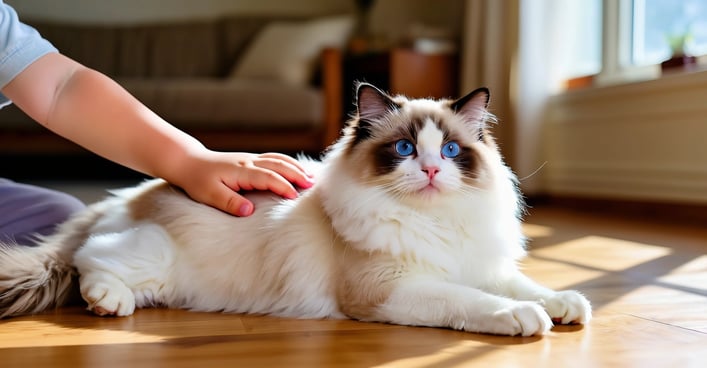
1. Ragdoll Why They're Great with Kids:
Exceptionally docile and patient temperament
Known for going limp when held (hence the name "Ragdoll")
Craves attention and affectionate interaction
Soft, plush fur that children adore
Playful yet consistently gentle
Must be kept indoors for safety
Long hair requires regular grooming
Large size may initially intimidate very young children
Age Recommendation: Best with children aged 5 and older
2. Maine Coon Why They're Great with Kids:
Known as the "gentle giants" of the cat world
Exhibits dog-like loyalty to their family
Retains a playful spirit well into adulthood
Remarkably patient and tolerant with children
Sturdy enough for careful hugging
Large size (can reach up to 25 pounds)
Requires regular grooming due to long fur
Needs dedicated playtime to manage high energy
Age Recommendation: Excellent with children of all ages
3. Birman Why They're Great with Kids:
Sweet, gentle, and remarkably even-tempered
Playful without being hyperactive
Deeply people-oriented and affectionate
Quiet, patient, and adaptable
Maintains a moderate, manageable energy level
Has moderate grooming needs
Can be initially shy in new environments
Thrives best as an indoor-only cat
Age Recommendation: Excellent with gentle, respectful children
4. American Shorthair Why They're Great with Kids:
Easygoing, adaptable, and highly tolerant
Patient with handling and household activity
Playful but not overly demanding of attention
Low-maintenance coat and overall care
Generally healthy and long-lived
Can have an independent streak
May not constantly seek lap time
Benefits from scheduled interactive play sessions
Age Recommendation: Perfect for busy, active families
5. Exotic Shorthair Why They're Great with Kids:
Sweet, Persian-like personality without the intensive grooming
Calm, laid-back, and undemanding
Enjoys gentle play and quiet companionship
Affectionate and often content as a lap cat
Patient with careful handling
Flat (brachycephalic) face requires regular cleaning
Can overheat easily in warm weather
Needs a climate-controlled indoor environment
Age Recommendation: Ideal for calm, quieter households
6. Scottish Fold Why They're Great with Kids:
Highly adaptable to various household dynamics
Playful, sweet-natured, and affectionate
Has a quiet, soft voice
Enjoys being part of family activities
Unique folded-ear appearance fascinates children
Potential for genetic health concerns related to cartilage
Requires moderate grooming
Essential to source from an ethical, health-conscious breeder
Age Recommendation: Good with respectful, gentle children
7. Burmese Why They're Great with Kids:
Shows dog-like devotion to their human family
Playful, energetic, and sociable
Highly intelligent and trainable
Loves interactive games and play sessions
Requires significant attention and interaction
Can be demanding if left alone for long periods
Thrives best in homes where someone is often present
Age Recommendation: Great for active, engaged families
8. Abyssinian Why They're Great with Kids:
Playful, entertaining, and endlessly curious
Loves interactive games and puzzle toys
Highly intelligent and engaging
Pairs well with active, older children
High energy requires ample mental and physical stimulation
Typically not a "lap cat"
Can be too intense for very quiet or young children
Needs plenty of vertical space (cat trees, shelves)
Age Recommendation: Best with older, active children (8+)
9. Manx Why They're Great with Kids:
Often exhibits a loyal, dog-like personality
Playful, protective, and good-natured
Natural hunting instincts can be entertaining
Adaptable and possesses a sturdy build
Tailless (Rumpie) varieties can have spinal health concerns
May try to "herd" children with gentle nips
Requires active play outlets for energy
Age Recommendation: Good for families with safe outdoor access or yards
10. Domestic Shorthair (Mixed Breed) Why They're Great with Kids:
Readily available for adoption at shelters
Genetic diversity often contributes to good health
Wide variety of personalities to choose from
Often very affectionate and grateful for a home
Typically lower initial and ongoing costs
Personality can be less predictable than purebreds
History may be unknown
May require additional patience and socialization
Age Recommendation: Highly dependent on the individual cat's temperament
Breeds to Approach with Caution
Less Ideal for Young Children
Extremely vocal, which can overwhelm some households
Sensitive to chaotic environments
Demands consistent attention and interaction
Often better suited for families with older children
Fragile, sensitive skin requires protection
Needs frequent bathing to manage oils
Highly sensitive to temperature extremes
Requires experienced, gentle handling
Extremely high grooming demands (daily brushing)
Prone to respiratory issues due to flat face
Can be easily overwhelmed by loud, active play
Needs a calm, predictable environment
Exceptionally high energy and intensity
Strong prey drive may lead to rough play
Best for experienced cat owners
Requires extensive environmental enrichment
Age-Appropriate Breed Recommendations Child's Age Group Recommended Breeds Key Considerations Toddlers (1-3) Ragdoll, Maine Coon, Exotic Shorthair, Birman Constant adult supervision is non-negotiable. Focus on extremely patient, sturdy breeds. Preschoolers (3-5) American Shorthair, Birman, Maine Coon, Scottish Fold Teach gentle touch. Breeds should be tolerant of clumsy affection. School Age (6-12) Any top-listed breed, Abyssinian, Burmese, Manx Can match a breed's energy level to the child's. Great age for teaching responsibility. Teenagers Any breed Consider the teen's activity level and involvement in the cat's care.
Teaching Children to Interact with Cats Safely
Essential Rules for Kids
Pet softly in the direction the fur grows
Never pull tails, ears, or whiskers
Avoid rough handling or squeezing
Let the cat initiate and end contact
Do not disturb a sleeping or eating cat
Learn to read feline body language
Always provide the cat with an escape route
3. Proper Holding Technique
Always support the chest and hindquarters
Never hold too tightly; let go if the cat struggles
Practice first with a stuffed animal
Use toys (wands, balls) instead of hands
No wrestling or chasing games
Always supervise playtime
Put toys away after use to prevent chewing
Educational Moments for Parents Understanding Cat Body Language:
Purring & Slow Blinking: Content and relaxedFlat Ears, Swishing Tail: Annoyed or overstimulatedHiding, Hissing: Frightened and needs space Proper Introduction Protocol:
Let the cat approach the child first.
Have the child offer a closed hand to sniff.
Begin petting on the shoulder or back, not the head.
Closely monitor the cat's reaction and end the interaction if signs of stress appear.
Preparing Your Home for a Cat and Kids
Safety-First Considerations Create Dedicated Safe Spaces for the Cat:
Install high perches or cat trees for observation and retreat
Use baby gates to create child-free zones
Designate a quiet room with food, water, and a litter box
Ensure the cat always has an escape route from children
Secure Household Hazards:
Keep small toys (choking hazards) out of reach
Safely store strings, rubber bands, and hair ties
Remove or isolate toxic plants (lilies, poinsettia, etc.)
Store all medications and cleaning supplies securely
Child-Proof the Cat's Essentials:
Place the litter box in a private, low-traffic area
Use sturdy, tip-proof bowls for food and water
Provide cozy, undisturbed sleeping spots
Ensure access to vertical territory
Adoption vs. Breeder: Making the Right Choice
Adopting from a Shelter or Rescue
Adult cats often have established, known temperaments
Many are already socialized and good with kids
Lower adoption fees
Provides a home to a cat in need
Wide variety of ages and personalities available
Cats fostered in homes with children
Described as "easygoing," "family-friendly," or "gentle"
Tolerates handling calmly during the meet-and-greet
Appears relaxed despite shelter chaos
Purchasing from a Reputable Breeder
More predictable personality and size traits
Known genetic and health history
Kittens are raised with proper early socialization
Opportunity for a kitten to grow up with your children
Breeder who raises kittens in a home environment with children
Provides documentation of health testing for parents
Begins socialization and handling from a very young age
Is transparent, ethical, and prioritizes animal welfare
Cost Considerations for a Family Cat
Initial Investment Expense Category Estimated Cost (2026) Shelter/Rescue Adoption Fee $75 - $300 Reputable Breeder (for family breeds) $800 - $2,000 Initial Supplies (carrier, litter box, bowls, bed, toys) $250 - $600 Initial Veterinary Visit (vaccinations, check-up) $150 - $300 Child-Proofing & Home Setup $50 - $250
Ongoing Annual Costs
High-Quality Food: $350 - $700Litter: $200 - $400Routine Veterinary Care: $250 - $600Toys, Treats, & Supplies: $150 - $300Pet Insurance (Optional but Recommended): $300 - $600
Red Flags: When to Postpone Getting a Cat
Consider Waiting If:
A child under 3 has not learned gentle touch with animals
Severe child allergies are suspected but not medically tested
The family schedule is exceptionally chaotic with no routine
There is no time for mandatory initial supervision
A child exhibits significant fear of animals
The family budget cannot comfortably cover unexpected vet costs
Wait Until Children Are Older For:
High-maintenance breeds (e.g., Persian, Sphynx)
Cats with known special medical needs
Participation in cat shows or breeding programs
Conclusion: Finding Your Perfect Family Feline The ideal cat for your family hinges on your children's ages, your household's activity level, and your lifestyle. While breed tendencies provide excellent guidance, the individual cat's personality is paramount.
Final Top Recommendations:
Best Overall Family Cat: Ragdoll or Maine CoonBest Low-Maintenance Choice: American ShorthairBest for Apartment Living: Exotic Shorthair or BirmanBest Budget & Adoption Option: A Domestic Shorthair from a shelter 5 Keys to a Successful Cat-Kid Relationship:
Match Carefully: Select a breed and individual whose temperament aligns with your family.Educate Proactively: Teach children respectful behavior before the cat arrives.Provide Sanctuary: Ensure the cat always has a safe, quiet place to retreat.Supervise Diligently: Never leave young children and cats together unsupervised.Respect Boundaries: Model and enforce respect for the cat's need for space and quiet. With thoughtful selection, proper preparation, and ongoing education, a feline companion can become a cherished family member. A family cat offers invaluable lessons in responsibility, empathy, and the unique joy of a loving interspecies bond.
Cat's Doctor Get AI-powered advice about your cat's health and care. Enter your cat's information and start a conversation with our veterinary assistant.
Start Chat with AI Cat's Expert Get expert advice about cat care, behavior, nutrition, grooming, and training. Ask our AI cat care expert anything about your cat and receive professional guidance.
Start Chat with Expert