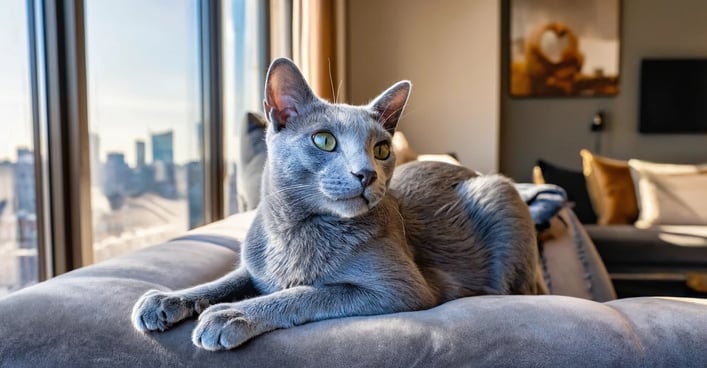
Best Cats for Apartments: 15 Breeds That Thrive in Small Spaces (2026 Guide)
Discover the top cat breeds perfectly suited for apartment living. From quiet companions to low-energy cuddlers, find your ideal feline friend for a smaller home.
Share this page
Best Cats for Apartments: 15 Breeds That Thrive in Small Spaces (2026 Guide)
Living in an apartment doesn't mean you have to forgo the joy of feline companionship. While some breeds require expansive territories, many cats adapt exceptionally well to compact living environments. The secret lies in selecting a breed with a compatible temperament, manageable energy level, and minimal spatial demands. This definitive guide explores the 15 best cat breeds for apartments and provides essential tips for ensuring your cat's happiness, regardless of your square footage.
What Makes a Cat Ideal for Apartment Living?
Key Personality Traits
Moderate to Low Energy: Doesn't require large areas for high-speed running.
Quiet Demeanor: Minimal vocalization to maintain peace with neighbors.
High Adaptability: Adjusts comfortably to environmental changes and routines.
Independent Streak: Remains content during periods when owners are away.
Comfortable Size: Physically suited to cozier living quarters.
Essential Apartment Considerations
Vertical Space Utilization: Climbing structures can compensate for limited floor space.
Noise Sensitivity: Naturally quieter breeds are preferable in shared-wall buildings.
Consistent Litter Habits: Clean and reliable litter box use is non-negotiable.
Neighbor-Friendly Behavior: Avoids excessive howling or disruptive activity.
Top 15 Apartment-Friendly Cat Breeds
Tags
apartment catsbest cat breedssmall space petsindoor catslow energy catsquiet cat breeds
1. British Shorthair
The Quintessential Apartment Companion
Why They Excel:
Exceptionally low activity level and calm disposition.
Quiet, undemanding, and highly adaptable to various situations.
Perfectly content as indoor-only pets.
Sufficiently independent for owners with full-time jobs.
Points to Consider:
Prone to weight gain; requires monitored diet and portion control.
Seasonal shedding necessitates regular brushing.
2. Ragdoll
The Gentle Giant for Cozy Homes
Why They Excel:
Famously relaxed, "floppy" temperament and low indoor energy.
Soft-spoken and thrives in small, snug spaces.
Deeply affectionate without being overly demanding or clingy.
Points to Consider:
Their large size requires robust, stable cat furniture.
Must be kept exclusively indoors for their safety.
3. Persian
Dignified and Serene Roommates
Why They Excel:
Very low activity level; true couch potatoes.
Naturally prefer calm, indoor environments.
Quiet, gentle, and make exceptional lap cats.
Happy in peaceful, comfortable spaces.
Points to Consider:
Daily, extensive grooming is mandatory to prevent mats.
Brachycephalic (flat-faced) structure can lead to breathing and eye issues.
4. Russian Blue
Quiet, Elegant, and Fastidious
Why They Excel:
Moderate, graceful activity level and famously quiet nature.
Exceptionally clean and adapts well to a consistent routine.
Often recommended for allergy sufferers due to hypoallergenic qualities.
Points to Consider:
Can be reserved or shy around strangers.
Thrives best in a calm, predictable household.
5. Scottish Fold
Sweet-Natured and Adaptable Friends
Why They Excel:
Calm, easygoing, and highly adaptable temperament.
Quiet nature makes them excellent neighbors.
Affectionate and content with moderate space.
Points to Consider:
The folded ear gene is linked to osteochondrodysplasia, a joint disorder. Ethical breeding is crucial.
Requires sourcing from responsible breeders who prioritize health.
6. American Shorthair
The Easygoing All-American Cat
Why They Excel:
Remarkably easygoing and adaptable to any home type.
Independent yet friendly, fitting well in apartments or houses.
Generally low-maintenance in terms of grooming and care.
Points to Consider:
Can be prone to obesity without proper diet and play.
Still requires regular interactive play sessions.
7. Birman
Gentle, Sacred Companions
Why They Excel:
Gentle, calm, and moderately active temperament.
Soft voices and highly adaptable nature.
Form strong bonds and love being near their people.
Points to Consider:
Semi-long coat requires regular brushing to stay tangle-free.
Prefer not to be left alone for extremely long periods.
8. Exotic Shorthair
The Persian's Lower-Maintenance Cousin
Why They Excel:
Possesses the Persian's wonderfully calm and placid personality.
Much easier coat care with their plush, short fur.
Happy as indoor-only cats and quiet companions.
Points to Consider:
Shares the brachycephalic facial structure of Persians.
Still needs daily interactive play for mental and physical health.
9. Burmese
Affectionate and Compact Socialites
Why They Excel:
Medium-sized, people-oriented, and highly adaptable.
Can thrive in apartments with sufficient daily enrichment.
Playful and affectionate, forming deep bonds.
Points to Consider:
Require dedicated daily play and interaction.
Do not tolerate being left alone for long stretches.
10. Maine Coon
The Surprisingly Adaptable Gentle Giant
Why They Can Work:
Despite their large size, they have a relatively low indoor energy level.
Highly adaptable and known for their quiet, chirping "trills."
Utilize vertical space brilliantly, making them efficient space-users.
Points to Consider:
Require extremely sturdy, tall cat trees and large litter boxes.
Higher food costs due to their size.
11. Selkirk Rex
The Curly-Coated, Easygoing Cuddler
Why They Excel:
Exceptionally easygoing, patient, and affectionate temperament.
Moderate activity level and highly adaptable.
Their unique coat (long or short) is plush and low-shedding.
Points to Consider:
Coat care varies; long-haired variants need more frequent brushing.
Require regular playtime for mental stimulation.
12. Tonkinese
The Social and Playful Middle Ground
Why They Excel:
Perfect balance of playful energy and calm adaptability.
Highly social, people-oriented, and manageable in size.
Engaging without being hyperactive.
Points to Consider:
More vocal than some breeds, using soft, conversational meows.
Prefer consistent company and interaction.
13. Devon Rex
The Entertaining Acrobat
Why They Can Work:
Small size and love for high vertical spaces make them efficient apartment dwellers.
Highly entertaining, affectionate, and dog-like in loyalty.
Don't require large floor areas, preferring to be up high.
Points to Consider:
High energy and intelligence require dedicated daily play and puzzles.
Can get into mischief if bored.
14. Singapura
The Tiny, Affectionate Minimalist
Why They Excel:
The world's smallest cat breed, requiring minimal physical space.
Adaptable, affectionate, and possess a manageable energy level.
Big personality in a tiny, elegant package.
Points to Consider:
A rare breed, which can mean a higher purchase price and waiting lists.
Still need daily interactive play sessions.
15. Domestic Shorthair/Mixed Breed
The Shelter Superstar
Why They Excel:
Countless mixed-breed cats in shelters adapt beautifully to apartment life.
Diverse personalities mean you can find a perfect match.
Lower adoption cost and the profound reward of saving a life.
Often come with lower grooming needs.
Points to Consider:
Temperament varies individually, not by breed.
Work with shelter staff to identify cats with calm, low-energy personalities proven in foster homes.
How to Make Any Cat Thrive in an Apartment
Maximize Vertical Territory
Cat Trees & Towers: Invest in tall, stable structures for climbing and perching.
Wall Shelves & Walkways: Create a "cat highway" on your walls.
Window Perches: Provide a dedicated spot for bird-watching and sunbathing.
Cat-Friendly Furniture: Allow access to the tops of bookcases and cabinets.
Prioritize Environmental Enrichment
Interactive Play: Use wand toys, laser pointers (with a physical catch), and feather teasers daily.
Puzzle Feeders: Stimulate their mind and slow down eating.
Scratching Solutions: Provide both vertical and horizontal scratching posts/pads.
Hideaways & Tunnels: Cardboard boxes and fabric tunnels offer security and fun.
Quality Time: Ensure focused attention when you are home.
Considerations for Multiple Cats
Amplify Vertical Space: More height reduces competition for prime spots.
Resource Abundance: Follow the "n+1" rule for litter boxes, food/water stations, and beds.
Respect Individual Space: Even in an apartment, each cat needs its own retreat areas.
Apartment-Specific Living Tips
Managing Noise and Neighbors
Breed Choice: Opt for naturally quiet breeds if noise is a major concern.
Prevent Boredom Vocalization: Adequate play and enrichment reduce attention-seeking meows.
Automated Toys: Keep your cat engaged with motion-activated toys when you're out.
Open Communication: A polite introduction to immediate neighbors can go a long way.
Litter Box Logistics in Small Spaces
Strategic Placement: Bathrooms, utility closets, or disguised in furniture.
Odor Control: Use high-quality clumping litter, scoop daily, and consider air purifiers.
Style Choices: Covered boxes can contain odor and litter scatter, but some cats prefer open ones.
Navigating Your Lease
Understand All Costs: Budget for pet deposits, non-refundable fees, and potential monthly "pet rent."
Verify Restrictions: Confirm any breed, weight, or number-of-pet limits in writing.
Keep Records: Maintain up-to-date veterinary records, including proof of vaccinations and spay/neuter.
Signs Your Apartment Cat Is Content and Healthy
Behavioral Indicators of Happiness
Engages in Play: Initiates or readily participates in play sessions.
Healthy Appetite: Eats regularly and maintains a good weight.
Self-Grooming: Maintains a clean, well-kept coat.
Relaxed Sleep: Sleeps in exposed, vulnerable positions, indicating deep trust.
Positive Social Interaction: Seeks affection through head-butts, purring, and lap-sitting.
Physical Signs of Well-being
Ideal Body Condition: You can feel but not see their ribs; they have a visible waist.
Bright, Clear Eyes: Free of discharge or excessive tearing.
Consistent Litter Box Use: Normal frequency and consistency in waste.
Conclusion
Apartment living is fully compatible with cat ownership when you make an informed choice and commit to intelligent environmental design. Breeds like the British Shorthair, Ragdoll, and Persian are perennial favorites for their serene natures, but as we've seen, many breeds—and wonderful mixed-breed cats—can flourish.
Ultimately, an individual cat's personality is as important as its breed classification. A calm shelter cat may be a more ideal apartment mate than a high-energy purebred.
Success hinges on leveraging vertical space, providing consistent mental and physical stimulation, and aligning your lifestyle with your cat's innate needs. With thoughtful preparation, even the coziest studio can be a joyful and fulfilling forever home for a feline friend.
Pro Tip: Visit your local animal shelters and rescues. Be clear about your apartment lifestyle—experienced staff can often match you with an adult cat whose temperament is already known to be perfect for your situation. Your perfect apartment companion is waiting.
Get expert advice about cat care, behavior, nutrition, grooming, and training. Ask our AI cat care expert anything about your cat and receive professional guidance.