Best Cat Water Fountains: Reviews and Buying Guide (2026)
Discover the best cat water fountains to boost your feline's hydration. Our 2026 guide reviews top models and provides expert buying advice for your cat's health.
Share this page
Best Cat Water Fountains: Reviews and Buying Guide (2026)
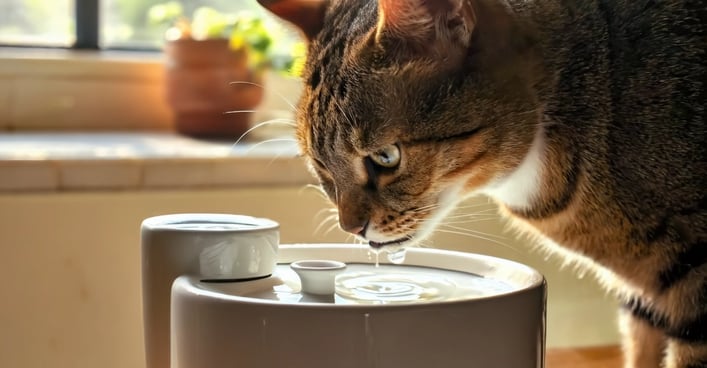
Proper hydration is critical for feline health, yet many cats fail to drink enough from stagnant bowls. Cat water fountains encourage natural drinking behaviors through continuous filtration, flowing water, and improved taste. This definitive guide reviews the top options for 2026 and helps you select the perfect fountain for your pet.
Why Cats Need Water Fountains
The Hydration Challenge
Cats Are Naturally Poor Drinkers:
Descended from desert-dwelling ancestors
Historically obtained moisture primarily from prey
Possess a lower thirst drive compared to other mammals
Health Risks of Inadequate Hydration:
Chronic kidney disease (a leading cause of feline mortality)
Separate from food bowls (cats instinctively avoid drinking near food)
In a quiet, low-traffic area
Easily accessible for your cat
Close to an electrical outlet
Away from direct sunlight to inhibit algae growth
2. Initial Assembly & Preparation:
Wash all components with mild soap before first use.
Rinse the filter cartridge thoroughly under cool water.
Assemble the fountain according to the manufacturer's instructions.
Fill the reservoir with fresh, cool water.
Plug in the unit and test the water flow.
3. Introducing Your Cat to the Fountain:
Place the new fountain next to the old water bowl initially.
Allow your cat to investigate the fountain while it is turned off.
Turn it on and let your cat approach at their own pace.
Offer praise or a treat when they show interest or drink from it.
Gradually phase out the old bowl once the fountain is accepted.
Essential Maintenance Schedule
Daily:
Check and top off the water level as needed.
Remove any visible debris (hair, food particles).
Weekly:
Disassemble and wash the bowl and reservoir with mild soap.
Rinse the foam pre-filter under running water.
Wipe down the exterior surfaces.
Ensure the pump is functioning correctly.
Monthly (or as recommended):
Perform a deep clean of all components.
Replace the carbon filter cartridge.
Check the pump intake for hair wrap and clean it.
Descale the pump with a vinegar solution if you have hard water.
Filter Replacement Guidelines:
Carbon Filters: Every 2-4 weeks.
Foam Pre-Filters: Every 4-8 weeks (or rinse weekly).
Always follow your specific model's manufacturer guidelines.
Troubleshooting Common Issues
My Cat Won't Use the Fountain
Strategies for Gradual Introduction:
Place the fountain immediately next to the old, familiar water bowl.
Run the fountain for only a few hours each day at first.
Use praise, petting, or high-value treats when your cat investigates.
Over several days, slowly move the fountain to its permanent location.
Remove the old bowl only after the fountain is consistently used.
Adjust Settings:
Experiment with different flow rates. Some cats prefer a gentle trickle, others a more vigorous stream.
Ensure the fountain is quiet enough not to startle your cat.
Fountain Develops Slime or Biofilm
Prevention is Key:
Adhere to a strict weekly cleaning schedule.
Use filtered or softened water if your tap water is hard.
Replace filters on time to maintain water quality.
Consider switching to a stainless steel or ceramic model, which resist biofilm better.
Effective Cleaning:
Disassemble the fountain completely.
Wash all parts in hot, soapy water.
Use a small bottle brush to clean interior tubes and the pump housing.
Monthly, rinse parts with a diluted white vinegar solution to dissolve mineral deposits, then rinse thoroughly.
The Pump Has Stopped Working
Basic Troubleshooting Steps:
Verify the water level is above the pump's minimum requirement.
Unplug the fountain, disassemble, and clean the pump intake of hair and debris.
Ensure the filter is not overly clogged, restricting water flow to the pump.
Check that the power cord is securely plugged in.
Some pumps have a reset button or require priming; consult the manual.
Water Has an Unpleasant Taste or Odor
Corrective Actions:
Replace the carbon filter immediately.
Perform a complete, deep clean of all fountain parts.
Consider using filtered or bottled water for filling.
Inspect hidden areas (like inside tubes) for mold or residue.
For new plastic fountains, ensure all parts are thoroughly rinsed to remove any manufacturing residues.
Cost Analysis: Initial & Ongoing
Initial Investment
Fountain Type
Typical Price Range
Plastic
$20 - $50
Ceramic
$40 - $120
Stainless Steel
$50 - $100
Smart/Connected
$70 - $120
Estimated Annual Ongoing Costs
Recurring Item
Approximate Annual Cost
Replacement Filters
$30 - $80
Replacement Pump (if needed)
$10 - $30
Deep Cleaning Supplies (brushes, vinegar)
~$20
Electricity to Run the Pump
$5 - $15
Total Estimated Annual Cost: $65 - $145
Safety Considerations
Electrical Safety
Use a Ground Fault Circuit Interrupter (GFCI) outlet, especially in kitchens or bathrooms.
Regularly inspect the power cord for damage.
Keep the electrical connection and cord dry and away from the water stream.
Always unplug the fountain before cleaning or handling the pump.
Water Quality & Hygiene
Change the water and clean the bowl at least weekly.
Adhere strictly to the filter replacement schedule.
Using filtered water can reduce mineral buildup and improve taste.
Never add vitamins, supplements, or flavorings to the fountain water without explicit veterinary approval.
Cat Safety
Select a fountain with a wide, heavy, or non-tip base.
Ensure there are no small parts that could be chewed off and swallowed.
Use a cord protector if your cat is a chewer.
Monitor the fountain initially to ensure your cat uses it safely.
Environmental Impact
Sustainability Factors
Stainless Steel & Ceramic: Highly durable, long-lasting, and fully recyclable at end-of-life.
Plastic: Often needs replacement sooner, contributing to waste; check if components are recyclable in your area.
Filters: Create recurring waste; look for brands with recyclable filter programs.
Water & Energy Conservation
Fountains use a very small amount of electricity (similar to a low-wattage LED bulb).
They are far more water-efficient than leaving a tap dripping to attract a cat.
Providing fresh fountain water reduces the need for single-use bottled water.
Conclusion
Investing in a high-quality water fountain is one of the most impactful decisions you can make for your cat's long-term health. By actively promoting increased water intake, these devices play a crucial role in preventing the kidney and urinary tract diseases prevalent in domestic cats.
2026 Quick-Pick Recommendations:
🏆 Best Overall: Petlibro Dockstream App Monitoring Fountain
💵 Best Budget: Catit Flower Fountain
🧼 Best for Hygiene: PetSafe Drinkwell Zen Stainless Steel Fountain
🎨 Best Design: iPettie Tritone Ceramic Fountain
🐱🐱 Best for Multi-Cat Homes: PetSafe Drinkwell 360
Five Keys to Fountain Success:
Match Capacity to Need: Choose a size suitable for your number of pets.
Commit to Maintenance: A regular cleaning schedule is non-negotiable for health and function.
Replace Filters Promptly: Maintain water quality by following replacement guidelines.
Introduce with Patience: Allow hesitant cats time to acclimate to the new device.
Monitor Intake: Observe your cat's drinking habits to ensure the fountain is effective.
With the right fountain and consistent care, you can significantly enhance your cat's hydration, supporting their vitality and well-being for years to come.
Get expert advice about cat care, behavior, nutrition, grooming, and training. Ask our AI cat care expert anything about your cat and receive professional guidance.