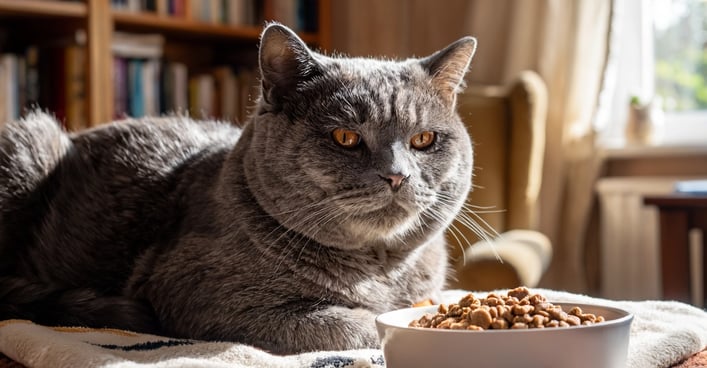
Best Cat Food for Senior Cats: Complete Nutrition Guide 2026
Discover the best senior cat foods for 2026. Learn how to meet your aging cat's changing nutritional needs for optimal health, vitality, and longevity.
Share this page
Best Cat Food for Senior Cats: Complete Nutrition Guide 2026
As cats enter their golden years, their nutritional requirements undergo significant changes. Senior cats—typically those over 10-11 years old—face unique challenges such as decreased kidney function, a slower metabolism, dental issues, and evolving taste preferences. Providing targeted nutrition during this life stage is crucial for supporting overall health, maintaining quality of life, and potentially extending your feline companion's lifespan.
This comprehensive guide reviews the best cat foods specifically formulated for senior cats in 2026 and explains the essential nutritional science behind supporting an aging feline.
Understanding Senior Cat Nutrition
Metabolic Changes
Decreased Energy Needs: Senior cats generally require 20-30% fewer calories than younger adults due to reduced activity levels and a slower metabolic rate.
: Modern veterinary science has overturned old beliefs. Senior cats need high-quality protein, not less. Aging felines process protein less efficiently and require superior sources to preserve crucial muscle mass.
Increased Moisture: Critical for kidney function and overall hydration.
Glucosamine & Chondroitin: Support cartilage and joint health.
L-Carnitine: Aids in maintaining lean body mass and healthy metabolism.
B Vitamins: Support appetite, energy metabolism, and neurological function.
Types of Senior Cat Food
Wet/Canned Senior Food
Advantages:
High moisture content (75-85%) for hydration.
Often more palatable for picky eaters.
Softer texture is easier to chew.
Typically lower in carbohydrates.
Disadvantages:
Higher cost per calorie.
Requires refrigeration after opening.
Shorter shelf life.
Dry Senior Food (Kibble)
Advantages:
Convenient and easy to store.
Longer shelf life.
Can be left out for free-feeding (with caution).
Often more cost-effective.
Disadvantages:
Very low moisture (5-10%).
Generally higher carbohydrate content.
Hard kibble can be difficult for cats with dental issues.
Therapeutic/Veterinary Prescription Diets
These are specially formulated under veterinary guidance to manage specific health conditions common in seniors, such as kidney disease, diabetes, or hyperthyroidism.
Top Senior Cat Food Reviews for 2026
1. Hill's Science Diet Senior 11+ Indoor
Price Range: $35 - $45 for 7 lb bag (dry); $35 - $45 for 24 cans (wet)
A globally trusted veterinary brand with a formulation specifically designed for cats 11 years and older.
Key Features:
Controlled mineral levels for kidney support.
L-carnitine to promote lean muscle mass.
Omega-3 fatty acids from fish oil for joint health.
Highly digestible ingredients.
Proprietary antioxidant blend.
Pros:
Widely recommended by veterinarians.
Excellent quality control and consistency.
Highly palatable for most cats.
Scientifically researched formulation.
Available in multiple flavors and textures.
Cons:
Contains grains (corn, wheat), which some cats are sensitive to.
Premium price point.
Kibble may be too hard for cats with severe dental issues.
Best For: Healthy senior cats and owners who prioritize a veterinary-trusted brand.
2. Royal Canin Aging 12+ Thin Slices in Gravy
Price Range: $40 - $50 for 24 cans
A wet food meticulously formulated for cats 12+ with exceptional palatability and an easy-to-eat texture.
Key Features:
Thin, tender slices in gravy that are easy to chew and swallow.
High moisture content for hydration.
Controlled phosphorus levels.
Enriched with omega-3 fatty acids (EPA/DHA).
Supports cognitive function.
Pros:
Exceptional palatability, even for finicky eaters.
Ideal texture for cats with dental problems.
Formulated to support kidney health.
Promotes healthy aging.
Cons:
Premium price.
Contains animal by-products.
Only available in a wet formula.
Can have a strong odor.
Best For: Picky senior eaters and cats with significant dental issues.
3. Wellness CORE Grain-Free Senior
Price Range: $40 - $50 for 5 lb bag (dry); $40 - $50 for 24 cans (wet)
A high-protein, grain-free formula focused on premium, natural ingredients.
Key Features:
Minimum 38% protein from quality sources.
100% grain-free recipe.
Includes glucosamine and chondroitin for joints.
Added probiotics for digestive health.
No artificial colors, flavors, or preservatives.
Pros:
Excellent, high-quality protein sources.
Great option for cats with grain sensitivities.
Built-in joint support.
Effective for maintaining muscle mass.
Cons:
Expensive.
The rich formula may not suit all sensitive stomachs.
High protein is not suitable for cats with advanced kidney disease.
May cause loose stool during transition.
Best For: Healthy seniors needing high protein and cats with grain sensitivities.
4. Blue Buffalo Wilderness Senior
Price Range: $35 - $45 for 5 lb bag (dry); $35 - $45 for 24 cans (wet)
A high-protein, grain-free diet featuring LifeSource Bits for targeted nutrient delivery.
Key Features:
36% protein from real meat.
Grain-free recipe.
LifeSource Bits (a cold-formed antioxidant and vitamin pack).
Balanced omega-3 & 6 fatty acids.
No chicken by-product meals.
Pros:
High-quality animal protein as the first ingredient.
Generally very palatable.
Includes ingredients for joint health.
Good for more active seniors.
Cons:
Some cats selectively eat around the LifeSource Bits.
Calorie-dense; may not suit sedentary cats.
Occasional reports of formula changes.
Pricier than mainstream brands.
Best For: Active senior cats and owners loyal to the Blue Buffalo brand.
5. Purina Pro Plan Prime Plus 7+
Price Range: $30 - $40 for 7 lb bag (dry); $30 - $40 for 24 cans (wet)
A veterinary-backed formula with research demonstrating its ability to support a longer, healthier life.
Key Features:
Proprietary nutrient blend to support immune health.
High protein (40% in dry formula).
Rich in omega fatty acids.
Includes prebiotic fiber for digestive health.
Fortified with antioxidants.
Pros:
Formulation backed by scientific research.
Excellent value for the quality offered.
High palatability scores.
Widely available in stores.
Many positive anecdotal results from owners.
Cons:
Contains corn and wheat.
Not a grain-free option.
Some cats may be sensitive to certain ingredients.
Best For: Cats 7+ beginning their senior journey and value-conscious owners seeking research-backed nutrition.
6. Instinct Ultimate Protein Senior
Price Range: $45 - $55 for 4 lb bag
Features exceptional protein content from real meat, with minimal processing.
Key Features:
47% protein—one of the highest on the market.
95% of protein comes from real chicken.
Free from grains, potato, corn, and soy.
Includes probiotics for digestion.
Made with cage-free chicken.
Pros:
Extremely high protein for superior muscle maintenance.
Premium, recognizable ingredients.
Minimally processed.
Very low carbohydrate content.
Cons:
Very expensive.
High protein is contraindicated for cats with kidney disease.
Limited retail availability.
Strong odor.
Best For: Very active seniors and situations where muscle preservation is the top priority.
7. Nulo Senior Grain-Free
Price Range: $35 - $45 for 5 lb bag (dry); $35 - $45 for 24 cans (wet)
A lower glycemic formula with high animal-based protein and patented probiotics.
Key Features:
38% protein.
Grain-free and low-glycemic ingredients.
Includes L-carnitine for healthy metabolism.
BC30 probiotic to support digestion.
Pros:
Good protein content from quality sources.
Probiotic support for gut health.
Helps with healthy weight management.
Many cats find it palatable.
Cons:
A relatively newer brand compared to giants.
Limited flavor options.
Some cats dislike the kibble texture.
Best For: Weight-conscious seniors and cats where diabetes prevention is a concern.
8. Weruva Truluxe Steak Frites
Price Range: $50 - $60 for 24 cans
A stew-style wet food made with human-grade ingredients for ultimate palatability.
Key Features:
Human-grade ingredients.
Very high moisture content.
Real, identifiable meat chunks in gravy.
Grain-free and low-carbohydrate.
Pros:
Outstanding ingredient quality and transparency.
Extremely palatable; often a hit with picky eaters.
Excellent for promoting hydration.
Cats love the texture.
Cons:
Very expensive.
Not a specifically "senior" formula, so may lack targeted nutrients.
May require supplements to meet all senior needs.
Best For: Finicky eaters, cats needing hydration support, and owners focused on premium ingredient quality.
9. Iams ProActive Health Senior Plus
Price Range: $25 - $35 for 7 lb bag (dry); $20 - $30 for 24 cans (wet)
A budget-friendly option that provides solid foundational nutrition for seniors.
Key Features:
32% protein with chicken as the first ingredient.
Added L-carnitine.
Tailored fiber blend for digestive health.
Includes essential antioxidants.
Pros:
Very affordable.
Widely available in grocery and pet stores.
Decent protein level for the price.
High acceptance rate among cats.
Cons:
Contains grains and some by-products.
Lower protein than premium options.
Includes corn.
Not ideal for cats with known food sensitivities.
Best For: Budget-conscious owners and cats transitioning to a senior diet.
10. Koha Limited Ingredient Diet Senior
Price Range: $40 - $50 for 24 cans
A limited ingredient wet food designed for seniors with food sensitivities or allergies.
Key Features:
Single novel protein source (e.g., duck, rabbit).
Limited ingredient list to minimize allergens.
High moisture content.
No grains, gluten, or fillers.
Added pumpkin for gentle fiber.
Pros:
Excellent for identifying and managing food allergies.
Simple, transparent ingredient list.
Highly digestible.
Great hydration source.
Cons:
Expensive for a limited ingredient diet.
Limited protein variety in the senior line.
Only available in wet formula.
Small can sizes.
Best For: Senior cats with diagnosed food allergies, intolerances, or sensitive digestion.
Senior Cat Food Comparison Table
Food
Type
Price Point
Protein % (Dry Matter Basis)
Best For
Hill's Science Diet 11+
Dry/Wet
$$
32%
Veterinary trust & overall health
Royal Canin Aging 12+
Wet
$$$
~9% (as-fed)
Palatability & dental issues
Wellness CORE Senior
Dry/Wet
$$$
38%
High protein & grain-free needs
Blue Buffalo Wilderness
Dry/Wet
$$
36%
Active seniors & natural ingredients
Purina Pro Plan 7+
Dry/Wet
$$
40%
Value & research-backed nutrition
Instinct Ultimate Protein
Dry
$$$$
47%
Maximum protein for muscle mass
Nulo Senior
Dry/Wet
$$
38%
Weight management & probiotics
Weruva Truluxe
Wet
$$$$
Varies
Picky eaters & hydration focus
Iams Senior Plus
Special Dietary Considerations
Kidney Disease (CKD)
Nutritional Needs:
Restricted phosphorus (0.3-0.6% dry matter).
Moderate, high-quality protein (28-35%).
Increased omega-3 fatty acids.
Very high moisture content is critical.
Recommended Therapeutic Diets: Hill's Prescription Diet k/d, Royal Canin Renal Support, Purina Pro Plan Veterinary Diets NF.
Hyperthyroidism
Nutritional Needs:
Increased caloric density.
High-quality, highly digestible protein.
Low carbohydrate (or a prescription y/d diet for iodine restriction).
Extremely palatable to meet high energy demands.
Diabetes
Nutritional Needs:
Low carbohydrate content is paramount.
High protein.
Strict, consistent feeding schedule.
Careful weight management.
Dental Disease
Considerations:
Wet food or softened kibble is often necessary.
Pâté or finely minced textures are easiest.
Warming food can enhance aroma and stimulate appetite.
Small, frequent meals may be better tolerated.
Transitioning to Senior Food
When to Switch
Consider transitioning to a senior formula when your cat reaches:
7 years for larger breeds (e.g., Maine Coons).
10-11 years for average-sized cats.
Earlier if specific age-related health issues are identified by your vet.
The Transition Process (Over 3-4 Weeks)
A gradual transition prevents digestive upset:
Week 1: Mix 75% old food with 25% new senior food.
Week 2: Shift to a 50/50 blend.
Week 3: Mix 25% old food with 75% new food.
Week 4: Fully transition to 100% senior food.
Monitor Closely For:
Changes in appetite or water consumption.
Stool quality and consistency.
Energy levels and behavior.
Any weight gain or loss.
Feeding Guidelines for Senior Cats
Portion Control
Senior foods can be calorie-dense. Always follow package guidelines as a starting point, then adjust based on:
Your cat's Body Condition Score (BCS).
Activity level (sedentary vs. active).
Any underlying health conditions.
Individual metabolic rate.
Feeding Schedule
Meal Feeding (Recommended):
Allows for precise monitoring of food intake.
Superior for weight control.
Easier to administer medications with food.
Ideal: 2-3 measured meals per day.
Free-Feeding:
May be necessary for cats that need to "graze."
Requires diligent monitoring to prevent overeating.
Generally not recommended for overweight or diabetic cats.
Cost Analysis
Estimated Monthly Feeding Costs
Food Category
Approximate Monthly Cost
Budget Dry Food Only
$15 - $25
Premium Dry Food Only
$25 - $40
Budget Wet Food Only
$30 - $50
Premium Wet Food Only
$50 - $100+
Mixed Feeding (Dry & Wet)
$40 - $80
Therapeutic Prescription Diets
$60 - $120+
Value Considerations
Premium foods are often more nutrient-dense, so you may feed less.
Investing in quality nutrition can potentially reduce future veterinary costs.
Wet food provides inherent hydration value, which is a health benefit.
Prescription diets are an investment in managing a disease and improving quality of life.
Homemade and Raw Diets for Seniors
Important Considerations
Challenges:
Extremely difficult to properly balance all essential nutrients for a senior cat's specific needs.
Increased risk of food-borne illness for both cat and owner.
Time-consuming to prepare consistently.
Absolute veterinary supervision is required.
If Pursuing Homemade:
Consult with a board-certified veterinary nutritionist.
Use only properly formulated recipes from reliable sources.
Consider using a commercial base mix to ensure completeness.
Schedule regular blood work to monitor nutritional status.
Raw Diets: Generally not recommended for senior cats due to their potentially compromised immune systems and the risk of bacterial contamination.
Supplements for Senior Cats
Commonly Used Supplements
Omega-3 Fatty Acids (Fish Oil): For joints, kidneys, and brain health. ($15 - $30/month)
Glucosamine/Chondroitin/MSM: For joint support and mobility. ($20 - $40/month)
Probiotics: For maintaining healthy gut flora and digestion. ($15 - $30/month)
Antioxidant Blends: To support cellular health. ($10 - $25/month)
Crucial Note: Always consult your veterinarian before adding any supplements, especially if your cat is on a therapeutic prescription diet, to avoid nutrient imbalances or interactions.
Working with Your Veterinarian
The Importance of Regular Monitoring
Senior cats benefit from more frequent veterinary check-ups:
Bi-annual exams are ideal (every 6 months).
Annual blood work (chemistry panel, CBC) and urinalysis.
Regular weight and Body Condition Score tracking.
Open discussion about any changes in appetite, thirst, litter box habits, or behavior.
When to Adjust the Diet
Consult your vet if you notice:
Unexplained weight loss or gain.
Significant increase or decrease in appetite or thirst.
Diagnosis of a new health condition (e.g., CKD, diabetes).
Persistent changes in stool quality.
Noticeable reduction in activity or mobility.
Conclusion
Choosing the best food for your senior cat is a personalized decision that balances their unique health profile, taste preferences, and your household budget. The top senior cat foods in 2026 provide high-quality protein to combat muscle loss, appropriate calorie levels to maintain a healthy weight, and targeted nutrients to support aging organs and joints.
While wet food offers distinct advantages in hydration and palatability, high-quality dry foods can also be excellent choices, especially for cats with good water intake. The most important factor is selecting a complete and balanced diet formulated for the senior life stage.
Partnering with your veterinarian for regular senior wellness check-ups is the key to identifying changing needs and making timely dietary adjustments. By providing thoughtful, age-appropriate nutrition, you are giving your beloved feline companion the strongest foundation for health, comfort, and happiness throughout their golden years.
Get expert advice about cat care, behavior, nutrition, grooming, and training. Ask our AI cat care expert anything about your cat and receive professional guidance.