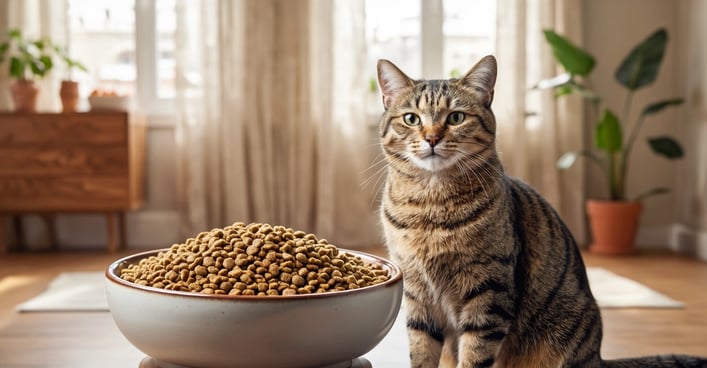
Find the perfect nutrition for your indoor cat. Our 2026 guide covers nutritional needs, top food picks, and feeding strategies for a healthy, happy feline.
Share this page
Best Cat Food for Indoor Cats: 2026 Buying Guide
Choosing the right food for your indoor cat is one of the most impactful decisions you'll make as a pet owner. Indoor cats have distinct nutritional needs compared to their outdoor counterparts—they are generally less active, more prone to obesity, and have specific concerns like hairballs. This comprehensive guide will help you navigate the vast world of cat food to find the optimal nutrition for your feline friend.
Understanding Indoor Cat Nutritional Needs
How Indoor Cats Differ from Outdoor Cats
Lower Activity Levels
30-50% less active than outdoor cats.
Lower calorie requirements for weight maintenance.
Higher obesity risk without careful portion control.
Different Health Concerns
Hairballs: Increased grooming leads to more ingested hair.
Weight management: A sedentary lifestyle demands precise calorie control.
Dental health: Less natural teeth cleaning from chewing on prey or grass.
Urinary health: Typically lower water intake without access to fresh outdoor sources.
Types of Cat Food
Dry Food (Kibble)
Pros
Convenient and cost-effective.
Long shelf life after opening.
Can help reduce tartar buildup through mechanical action.
Easy for free-feeding (though not generally recommended).
Best for Weight Management: Royal Canin Weight Care
Protein: 35%.
Fiber: 7%.
Key Features: Formulated for satiety support with controlled calories.
Price Point: $1.80–$2.50 per can.
Best Budget Option: Friskies Classic Pâté
Protein: 10% minimum (as fed).
Key Features: Highly affordable and widely available.
Price Point: $0.50–$0.75 per can.
Premium Dry Foods
Best Overall: ORIJEN Cat & Kitten
Protein: 40%.
Key Features: Biologically appropriate, rich in multiple fresh meat sources.
Price Point: $4.00–$5.00 per pound.
Best for Indoor Cats: Blue Buffalo Wilderness Indoor Hairball & Weight Control
Protein: 32%.
Fiber: 7%.
Key Features: Specifically formulated for hairball control and weight management.
Price Point: $2.50–$3.50 per pound.
Best Budget Option: Purina ONE Indoor Advantage
Protein: 30%.
Key Features: Affordable, includes a hairball formula with natural fiber.
Price Point: $1.00–$1.50 per pound.
Grain-Free Options
Best Grain-Free Wet: Tiki Cat After Dark
Protein: 16% minimum (as fed).
Key Features: High-protein, low-carb recipes with real shreds of meat.
Price Point: $1.50–$2.00 per can.
Best Grain-Free Dry: Instinct Original Grain-Free Recipe
Protein: 41%.
Key Features: Kibble coated with freeze-dried raw for enhanced nutrition and taste.
Price Point: $3.00–$4.00 per pound.
Special Diet Options
Best for Urinary Health: Hill's Prescription Diet c/d Multicare
Key Features: Formulated to dissolve struvite stones and maintain urinary health.
Requires: Veterinary prescription.
Price Point: $2.50–$3.50 per can.
Best for Hairball Control: Royal Canin Hairball Care
Key Features: Includes psyllium seed husk and tailored fiber blend.
Price Point: $1.80–$2.50 per can (wet), $3.00–$4.00 per pound (dry).
Best for Sensitive Stomachs: Hill's Science Diet Sensitive Stomach & Skin
Key Features: Contains prebiotic fiber and is highly digestible.
Price Point: $2.00–$3.00 per pound.
Reading Cat Food Labels Like a Pro
Ingredients to Look For
✅ Named meat as the first ingredient (e.g., "chicken," "turkey," "salmon").
✅ Named meat meals (e.g., "chicken meal," "salmon meal")—concentrated protein sources.
✅ Specific animal fats (e.g., chicken fat, fish oil).
✅ Natural preservatives (e.g., mixed tocopherols—Vitamin E).
✅ Added taurine, an essential amino acid for heart and eye health.
Ingredients to Avoid
❌ Vague meat sources (e.g., nonspecific "meat by-products" or "animal digest").
❌ Corn, wheat, or soy as primary ingredients (common fillers and allergens).
❌ Artificial colors, flavors, or sweeteners.
❌ Chemical preservatives like BHA, BHT, or ethoxyquin.
❌ Excessive carbohydrate content (often listed as grains, potatoes, peas).
Understanding the Guaranteed Analysis
Values are listed as minimums (protein, fat) and maximums (fiber, moisture).
For accurate comparison between wet and dry food, convert to a Dry Matter Basis (DMB).
Formula: (Nutrient % / (100% - Moisture %)) x 100
For dry food alone, the label values are a close approximation of DMB.
Feeding Guidelines for Indoor Cats
Portion Control is Paramount
Essential for preventing obesity in sedentary cats.
Calculate Daily Calories
Average indoor cat: Requires 180-220 calories per day (varies by weight, age, and activity).
Use a measuring cup—never a random scoop.
A kitchen scale provides the most accuracy.
Regular body condition scoring helps adjust portions as needed.
Feeding Schedule Options
Meal Feeding (Recommended)
2-3 scheduled meals per day.
Controlled portions at each feeding.
Superior for weight management and monitoring appetite.
Free Feeding
Not recommended for most indoor cats.
Often leads to overeating and weight gain.
Makes it difficult to monitor individual food intake.
Only suitable for cats with exceptional self-regulation.
The Mixed Feeding Approach
Combines the benefits of wet and dry food:
Wet food as primary meals (morning and evening) for hydration.
A small, measured amount of dry food for dental health or as a treat.
Increases overall water intake.
Provides dietary variety and enrichment.
Special Considerations
Weight Management
For overweight indoor cats:
Transition to a weight management formula.
Measure every meal precisely.
Increase interactive playtime to boost activity.
Schedule regular weigh-ins.
Aim for a safe, gradual weight loss of 1-2% of body weight per week.
Hairball Control
Choose formulas with moderate fiber (6-8%).
Regular brushing reduces the amount of hair ingested.
Consider hairball-specific diets or veterinary-recommended remedies.
Senior Cats (7+ Years)
Lower calorie needs but higher protein requirements to prevent muscle loss.
Look for easily digestible formulas.
May benefit from kidney or joint support formulas as advised by a vet.
Multiple Cat Households
Feed cats separately whenever possible.
Monitor each cat's individual intake.
Provide one litter box per cat, plus one extra.
Consider microchip-activated feeders for precise portion control.
Budget Considerations
Cost Per Day Comparison
Food Type
Estimated Cost Per Day
Budget Dry Food
$0.30 – $0.50
Premium Dry Food
$0.60 – $1.00
Budget Wet Food
$0.75 – $1.50
Premium Wet Food
$1.50 – $3.00
Raw/Freeze-Dried
$2.00 – $5.00
Saving Money Without Sacrificing Quality
Buy in Bulk: Larger bags often have a lower cost per pound.
Subscribe & Save: Utilize autoship programs for 5-15% discounts.
Mix Feeding: Combine a high-quality wet food with a more affordable, quality dry food.
Consider Trusted Store Brands: Many are produced by the same manufacturers as premium brands.
Watch for Sales and Coupons: Stock up on your cat's preferred food when it's discounted.
Transitioning to a New Food
The Gradual Transition Protocol
Never switch foods suddenly, as this can cause gastrointestinal upset.
Recommended 7-10 Day Schedule
Days 1-3: Mix 75% old food with 25% new food.
Days 4-6: Mix 50% old food with 50% new food.
Days 7-9: Mix 25% old food with 75% new food.
Day 10+: 100% new food.
Signs of Trouble
Stop the transition and consult your veterinarian if you observe:
Persistent vomiting or diarrhea.
Significant loss of appetite.
Unusual lethargy.
Homemade and Raw Diets: A Cautious Approach
Weighing the Pros and Cons
Potential Pros:
Complete control over ingredient quality and sourcing.
Absence of artificial preservatives or additives.
Can be cost-effective depending on ingredients.
Significant Cons:
Extremely difficult to achieve a nutritionally complete and balanced diet.
Time-consuming to prepare safely.
High food safety risks with raw meat (for both pet and owner).
Mandatory consultation with a board-certified veterinary nutritionist is required.
If You Choose a Homemade Diet
Non-Negotiable Steps:
Work exclusively with a board-certified veterinary nutritionist.
Use scientifically balanced recipes from reliable sources, not random internet formulas.
Include all necessary vitamin and mineral supplements.
Schedule regular veterinary check-ups and blood work to monitor health.
Conclusion
Selecting the best food for your indoor cat is about finding the right balance between superior nutrition, your cat's individual preferences, and your household budget. The ideal diet delivers high-quality protein, controlled calories for an indoor lifestyle, and addresses specific needs like hydration and hairball control.
Top Recommendations Summary
Best Overall Approach: A mix of high-quality wet food (for hydration and protein) with a measured amount of dental-supportive dry food.
For Budget-Conscious Owners: Quality budget-friendly brands like Purina Pro Plan or Iams offer excellent nutrition at an accessible price.
For Premium Nutrition: Brands like ORIJEN, Wellness CORE, and Royal Canin provide exceptional ingredient quality and targeted formulas.
For Specific Health Issues: Always collaborate with your veterinarian, who may recommend a therapeutic prescription diet.
The best food is one your cat enjoys and thrives on. Monitor key indicators of health: stable weight, a glossy coat, consistent energy levels, and normal litter box habits. These are the true measures of dietary success.
When in doubt, consult your veterinarian. They are your best partner in creating a personalized nutrition plan for your unique feline companion.
Get expert advice about cat care, behavior, nutrition, grooming, and training. Ask our AI cat care expert anything about your cat and receive professional guidance.