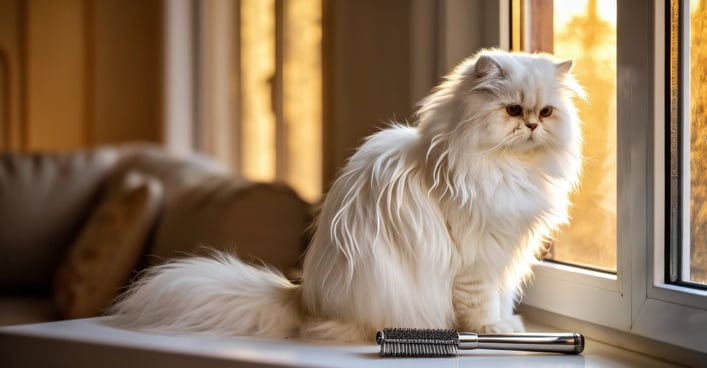
Best Brush for Long-Haired Cats: The Ultimate Detangling Guide (2026)
Discover the best brushes and combs for long-haired cats like Persians and Maine Coons. Our expert guide helps you prevent mats, reduce shedding, and make grooming a breeze.
Share this page
Best Brush for Long-Haired Cats: The Ultimate Detangling Guide (2026)
Long-haired cats, such as Persians, Maine Coons, and Ragdolls, boast luxurious coats that require dedicated grooming. Without a consistent routine, their beautiful fur can quickly become matted, painful, and a source of skin problems. This definitive guide reviews the best brushes and combs for long-haired cats, matching tools to specific coat types and providing expert techniques for calm, effective grooming sessions.
Types of Brushes and Combs for Long-Haired Cats
Choosing the right tool is the first step to successful grooming. Here’s a breakdown of the essential types.
1. Slicker Brushes
Best for: Daily brushing and removing loose hair from the topcoat.
Dematting Tool: For occasional stubborn mats, especially around the collar and hindquarters
Why This Combo Works:
This set handles their fine, dense fur perfectly. The metal comb is crucial for preventing mats around the face and eyes.
For Maine Coons and Norwegian Forest Cats (Thick Double Coats)
Focus on managing the dense undercoat.
Recommended 2026 Kit:
Undercoat Rake: FURminator for Long Hair (use 1-2 times per week)
Slicker Brush: For daily topcoat maintenance
Wide-Tooth Metal Comb: For finishing and checking for tangles
Why This Combo Works:
The undercoat rake is the MVP for preventing the massive fur piles associated with seasonal shedding.
For Ragdolls and Birmans (Silky, Single Coats)
Gentle maintenance for low-matting fur.
Recommended 2026 Kit:
Pin Brush: Chris Christensen Oval Pin Brush for daily polishing
Metal Comb: For a weekly thorough check
Gentle Slicker: For occasional loose hair removal
Why This Combo Works:
Their silky coats are less prone to matting but benefit greatly from the shine and oil distribution a pin brush provides.
How to Brush Your Long-Haired Cat: A Step-by-Step Guide
Preparation is Key
Environment: Choose a quiet, well-lit room with minimal distractions.
Surface: Place a non-slip towel or mat on a table or your lap.
Tools & Rewards: Have all brushes and a stash of high-value treats ready.
Mindset: Be patient and plan for short, positive sessions.
The Brushing Session: A Calm Progression
Start with an Assessment: Gently feel over your cat's entire body for any mats or sensitive spots.
Begin at the Head: Using the fine side of your metal comb, gently work around the face, cheeks, and behind the ears—common matting areas.
Move to the Body: Using your slicker brush or pin brush, make long, gentle strokes in the direction of hair growth. Work from the neck down the back, sides, and chest.
Address Sensitive Areas: Be extra gentle on the belly, underarms, and "pantaloons" (the fluffy fur on the hind legs). Use a comb for more control here.
The Final Check: Go over the entire coat with your metal comb. If it glides through smoothly, you're done! Any snags indicate a tangle that needs attention.
How to Safely Deal with Mats
For Small Tangles:
Hold the base of the mat firmly against the skin to prevent pulling. Use the tip of your dematting tool or the fine teeth of your comb to gently pick and loosen the edges, working inward. Never try to cut or pull it off in one go.
For Large or Severe Mats:
If a mat is large, tight, or close to the skin, it's often safest to consult a professional groomer or your veterinarian. They can remove it without causing stress or injury to your cat.
Seasonal Note: During spring and fall, double your brushing frequency for heavy shedders and make the undercoat rake your best friend.
Essential Grooming Tips for 2026
Never Bathe a Matted Cat: Water will tighten mats into impenetrable felt. Always brush and detangle completely before any bath.
Maintain Your Tools: Remove hair after each use and wash brushes with mild soap and water weekly to keep them effective and hygienic.
Make it Positive: Associate grooming with treats, praise, and gentle petting. End each session on a good note, even if you didn't finish everything.
Know When to Call a Pro: Seek a professional groomer for severe matting, if your cat becomes overly stressed, or for a perfect "show cat" finish.
Conclusion
Investing in the right brush—like the versatile Hertzko Slicker or the powerful FURminator—transforms grooming from a chore into a bonding ritual. The true secret, however, is consistency. Regular, gentle brushing is far more effective than occasional intense sessions.
By building a positive routine with the proper tools, you'll ensure your long-haired feline friend enjoys a stunning, healthy, and mat-free coat for years to come.
Get expert advice about cat care, behavior, nutrition, grooming, and training. Ask our AI cat care expert anything about your cat and receive professional guidance.