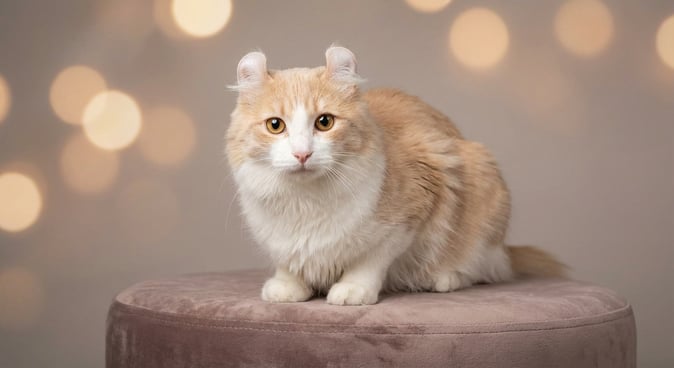
American Curl: The Enchanting Cat with Curled Ears and Endless Affection
Born from a stray kitten’s whimsical curled ears in 1981 California, the American Curl has charmed its way from doorstep surprise to pedigree stardom. Discover how one friendly feline named Shulamith launched a breed celebrated for both its affectionate nature and its signature ear-to-ear smile.
With their distinctive curled-back ears and perpetually youthful spirit, American Curls have captured hearts worldwide since their serendipitous discovery in California. These medium-sized cats combine striking appearance with an exceptionally affectionate personality, making them ideal companions for families and singles alike. Their unique ears aren't just for show—they're a natural genetic mutation that gives this breed its signature look and name.
History & Origin
The American Curl's story begins in 1981 in Lakewood, California, when a stray longhaired black kitten with unusual curled ears appeared on the doorstep of Joe and Grace Ruga. They named her Shulamith, and she became the foundation cat for the entire breed. When Shulamith had kittens, half of them also displayed the distinctive curled ears, revealing the dominant nature of this genetic trait. Cat fanciers quickly recognized the potential of these unique felines, and selective breeding programs began in 1983.
The breed gained official recognition remarkably quickly. The Cat Fanciers' Association (CFA) granted provisional status in 1986, just five years after the initial discovery. By 1993, the American Curl achieved full championship status, one of the fastest recognitions in feline history. Today, these cats are celebrated worldwide for both their distinctive appearance and delightful personality.
Physical Characteristics
The American Curl's most striking feature is undoubtedly their ears, which curl backward in an elegant arc between 90 and 180 degrees. Kittens are actually born with straight ears, but the curling begins within 3-5 days, gradually achieving their permanent shape by 16 weeks of age. The ears feel surprisingly stiff due to firm cartilage, but they require gentle handling to prevent damage.
The American Curl offers the perfect blend of unique beauty and loving temperament. Their distinctive curled ears and perpetually youthful spirit make every day an adventure, while their affectionate nature ensures you'll never feel alone. Whether you're seeking a playful companion for children or a devoted friend for yourself, the American Curl's charm, intelligence, and moderate care requirements make them an exceptional choice for cat lovers seeking something extraordinary in a thoroughly delightful package.
Tags
American Curlcurled earsaffectionate catsfamily-friendly catsplayful breedsunique cat breeds
American Curl: The Enchanting Cat with Curled Ears and Endless Affection - Articles
These medium-sized cats typically weigh between 2.7-4.5 kg (6-10 pounds), with bodies measuring 45-50 cm in length. They possess a rectangular build that's neither cobby nor svelte, giving them a balanced, moderate appearance. Their silky coat can be either short or long, but both varieties have minimal undercoat, reducing matting issues. The breed comes in every possible color and pattern combination, from solid black to calico, tabby to colorpoint.
Their walnut-shaped eyes can be gold, blue, green, or even odd-eyed (two different colors), adding to their expressive faces. The combination of curled ears and large, alert eyes gives them a perpetually surprised, owl-like expression that's utterly charming.
Temperament & Personality
American Curls earn their reputation as exceptionally affectionate companions, scoring a perfect 5/5 for affection level. These cats form strong bonds with their humans and prefer to be involved in every aspect of household life. They're not typically lap cats, but they want to be near you, following you from room to room and supervising your activities with gentle curiosity.
Their playful nature endears them to families, as they retain kitten-like behaviors well into adulthood. They'll happily chase toys, learn tricks, and even play fetch. Despite their playful energy, they're not hyperactive, maintaining a moderate energy level that makes them suitable for various living situations. Their intelligence shines through in their problem-solving abilities and quick learning of household routines.
Unlike many vocal breeds, American Curls are relatively quiet, using soft, pleasant voices when they do communicate. They're social butterflies who get along well with children, other cats, and even cat-friendly dogs, making them excellent additions to multi-pet households. Their adaptability and easy-going nature mean they handle changes in routine better than many other breeds.
Care Requirements
The American Curl's grooming needs are refreshingly manageable. Their silky coats shed moderately (3/5) but require only weekly brushing for shorthairs and twice-weekly for longhairs. The lack of dense undercoat means fewer matting issues than many other medium-coated breeds. Regular nail trimming, ear cleaning, and dental care complete their basic grooming routine.
Exercise needs are moderate, making interactive play sessions the perfect way to keep them physically and mentally stimulated. They particularly enjoy puzzle toys, climbing trees, and window perches where they can watch the world go by. Their intelligence means they appreciate environmental enrichment—rotate toys regularly and provide scratching posts to keep them engaged.
Nutritionally, American Curls thrive on high-quality cat food appropriate for their age and activity level. Monitor portion sizes to prevent obesity, as their affectionate nature might convince you to over-treat them. Fresh water should always be available, and some enjoy drinking from running water fountains.
Health Considerations
The American Curl is generally a healthy, robust breed with a lifespan of 12-16+ years. The gene responsible for their curled ears doesn't cause any related skeletal or cartilage problems elsewhere in the body, which was an initial concern for breeders. However, their unique ear structure does require special attention.
The ear canal's curvature can make American Curls more prone to ear infections and wax buildup. Weekly ear checks should become part of your routine, looking for redness, odor, or excessive wax. Clean gently with veterinarian-approved ear cleaner, but never force anything deep into the curved canal. Handle their ears extremely carefully—the cartilage can be damaged if bent too far.
Regular veterinary check-ups should include thorough ear examinations. Some cats may need professional cleaning every few months. Otherwise, they're not predisposed to any specific genetic health conditions, though responsible breeders screen for common feline diseases like HCM (hypertrophic cardiomyopathy) and PKD (polycystic kidney disease).
Is This Breed Right For You?
The American Curl makes an excellent choice for first-time cat owners due to their adaptable, easy-going nature. They thrive in active households where they receive plenty of attention but can also entertain themselves when necessary. Their moderate exercise needs and minimal grooming requirements make them suitable for busy professionals, while their affectionate personality provides wonderful companionship.
Families with children will appreciate their patient, playful nature, though supervision is always recommended with young kids who might handle those distinctive ears roughly. They adapt well to apartment living as long as they have climbing opportunities and interactive playtime. Retirees find them perfect lap-adjacent companions who provide affection without being overly demanding.
Consider your lifestyle carefully—these cats don't enjoy being left alone for extended periods. If you travel frequently or work long hours, consider adopting two cats for company or choosing a more independent breed. Also factor in potential ear care costs when budgeting for veterinary care.
medium-sized cats
social cats
Cat's Doctor
Get AI-powered advice about your cat's health and care. Enter your cat's information and start a conversation with our veterinary assistant.
Get expert advice about cat care, behavior, nutrition, grooming, and training. Ask our AI cat care expert anything about your cat and receive professional guidance.